Drive-In Rack in Cudahy, WI
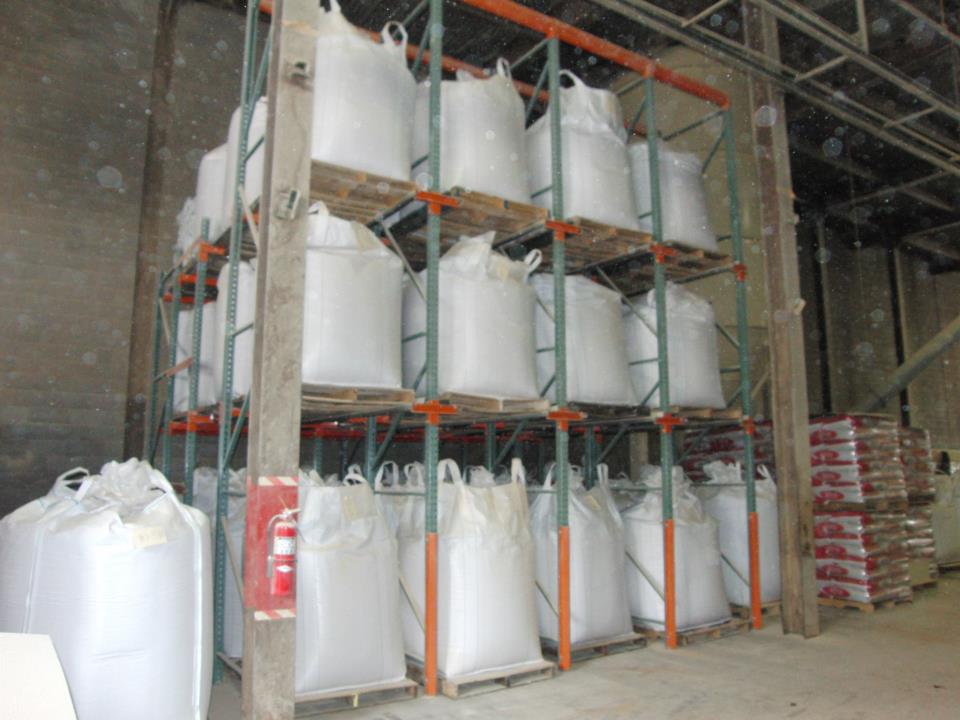
Drive-in rack in Cudahy, WI makes dense storage practical when a small SKU group accounts for substantial pallet quantities and each batch occupies a dedicated lane. Around Packard Avenue and Layton Avenue, food processing and metalworking create different reasons for holding reserve stock. The useful comparison is occupied positions per batch, not the largest position count that fits on a drawing.
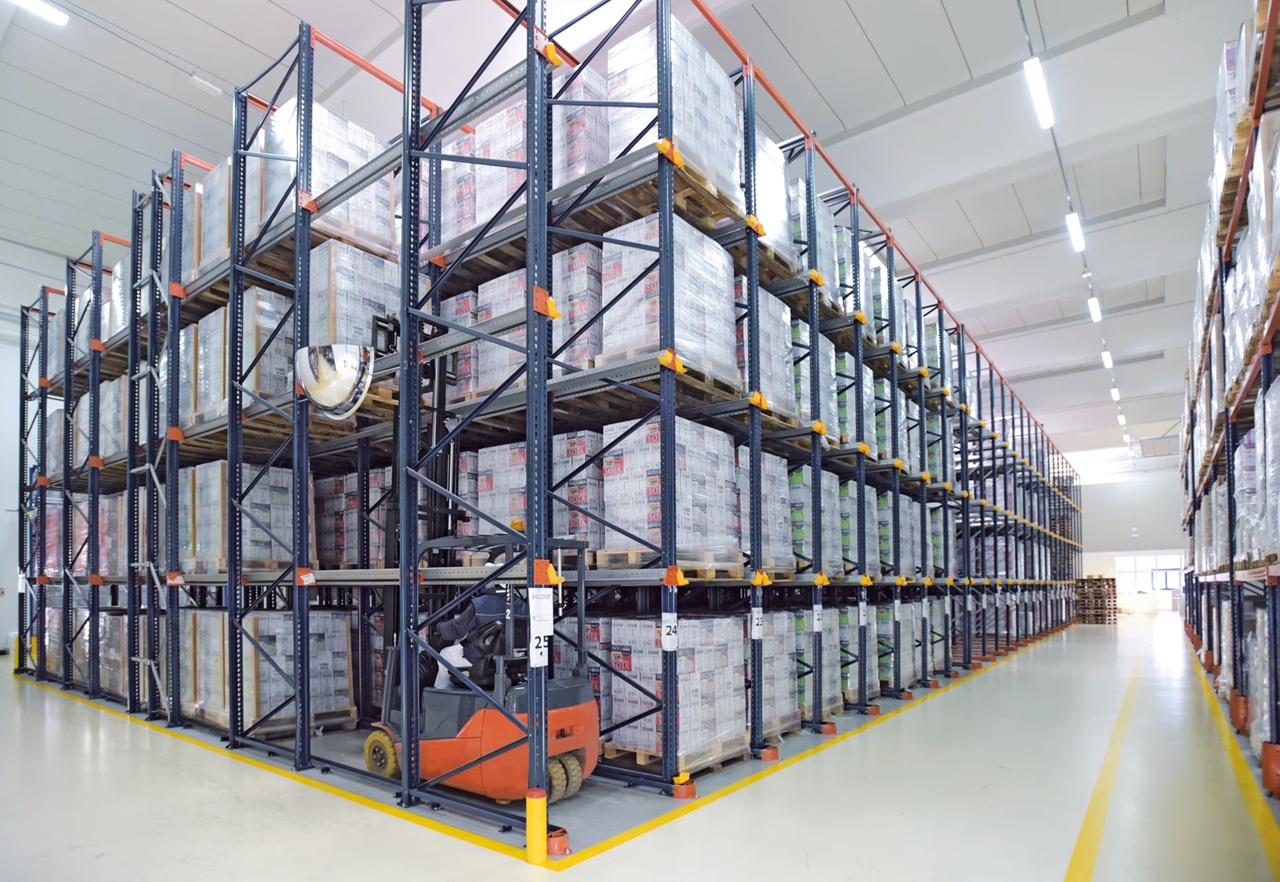
The forklift travels on the floor into each lane, carrying its load between the uprights before setting the pallet on stationary support rails. Its wheels never run on those rails. Deep storage reduces access aisles but sacrifices individual pallet access, making inventory consistency and planned withdrawal sequences essential.
Cudahy Drive-In Pallet Rack Matched to Production
Milwaukee Pallet Rack operates as a division of Warehouse Equipment & Supplies Co., supplying and installing since 1997. We develop drive-in pallet rack around measurable load and handling requirements, including actual pallet construction, truck geometry and the number of matching pallets available throughout a replenishment cycle.
For older Cudahy buildings with 16–24-foot clear heights, another storage level cannot simply be assumed. Loaded pallet height, mast movement and overhead refrigeration equipment can limit usable elevations. We compare a compact reserve block with shallower alternatives, keeping production supplies accessible rather than assigning every item to deep lanes.
Cudahy operating requirements
Single-entry lanes operate LIFO: the most recently deposited pallet is normally retrieved first. Drive-thru racking offers two working faces and can support FIFO only when receiving uses one face, shipping uses the other, and operators preserve the loading sequence. For refrigerated food batches, lane identification should distinguish lots and release status. Metalworking reserves may instead be grouped by production campaign. Neither arrangement provides unrestricted access to a pallet buried behind other loads.
New Drive-In Rack Supply and Installation
Rail selection begins with the pallet bearing surfaces that actually contact the steel. Bottom-board orientation, pallet condition, load overhang and maximum loaded weight determine the required bearing arrangement. Support spacing and connection capacities must suit those loads. Guide sizing is a separate task: guides help position the truck but do not carry stored pallets.
We check chassis width, mast profile, load backrest, fork position and the loaded envelope through the entire proposed travel path. Clearances must work at entry, during lifting and at each storage elevation. Cooler and freezer applications also require the operating temperature, condensation exposure and pallet behavior to be considered when specifying new materials and handling allowances.
The drive-in rack proposal identifies lane depth, rail elevations, guides, protection and usable positions. Installation covers new material assembled to the agreed arrangement and anchored to the floor. Alignment and support elevations are checked before handover, with loading instructions tied to the specified pallet and truck combination rather than a generic capacity assumption.
Compare the storage choices for your operation: Cudahy equipment services; Bulk system details for Cudahy; Cudahy pushback comparison; Cudahy pallet flow planning.
Plan Drive-Thru Racking Around Batch Movement
Compare the lane arrangement with Cudahy inventory and handling requirements before ordering material.
Establish batch depth
Provide pallet quantities by SKU and lot across normal production cycles. We distinguish consistently deep reserves from occasional surges, then test whether proposed lanes would remain meaningfully occupied.
Measure the handling envelope
Record the truck model, chassis dimensions, raised mast and backrest envelope alongside loaded pallet measurements. Include refrigeration obstructions and approach space so entry clearance is assessed in context.
Compare storage arrangements
Review deep lanes against selective positions and pushback. If operators need frequent access to several products, pushback may be preferable because the truck stays outside the storage structure.
Install and establish loading rules
Agree on installation zones, material unloading and operational separation. After assembly, review lane assignments, allowable loads and the intended entry sequence with the people responsible for replenishment.


Review Your Cudahy Storage Plan
Discuss your reserve quantities, refrigerated areas and pallet handling requirements before choosing lane depth. Request a layout comparison and a defined installation scope. Call (414) 260-3593.
Milwaukee Pallet Rack
7311 W Greenfield Ave.
Ste 316
Milwaukee, WI 53214
(414) 260-3593Monday - Friday: 8:00 AM - 6:00 PM
Cudahy bulk storage decisions
Other Rack Types We Supply in Cudahy
Pallet Rack
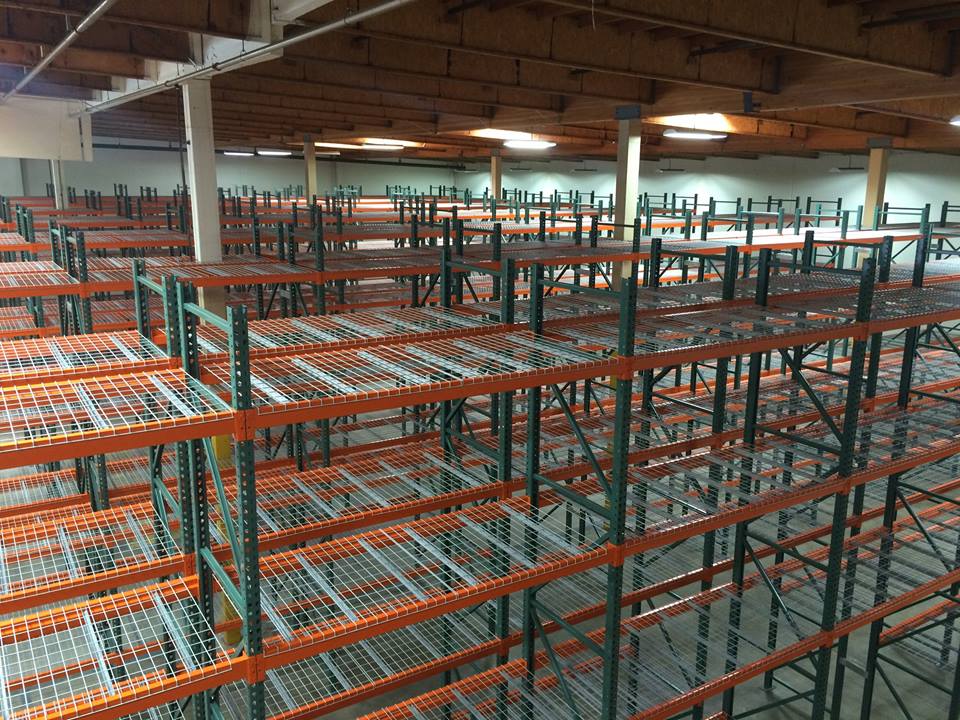
Every pallet reachable, every time. The baseline we size everything else against.
View details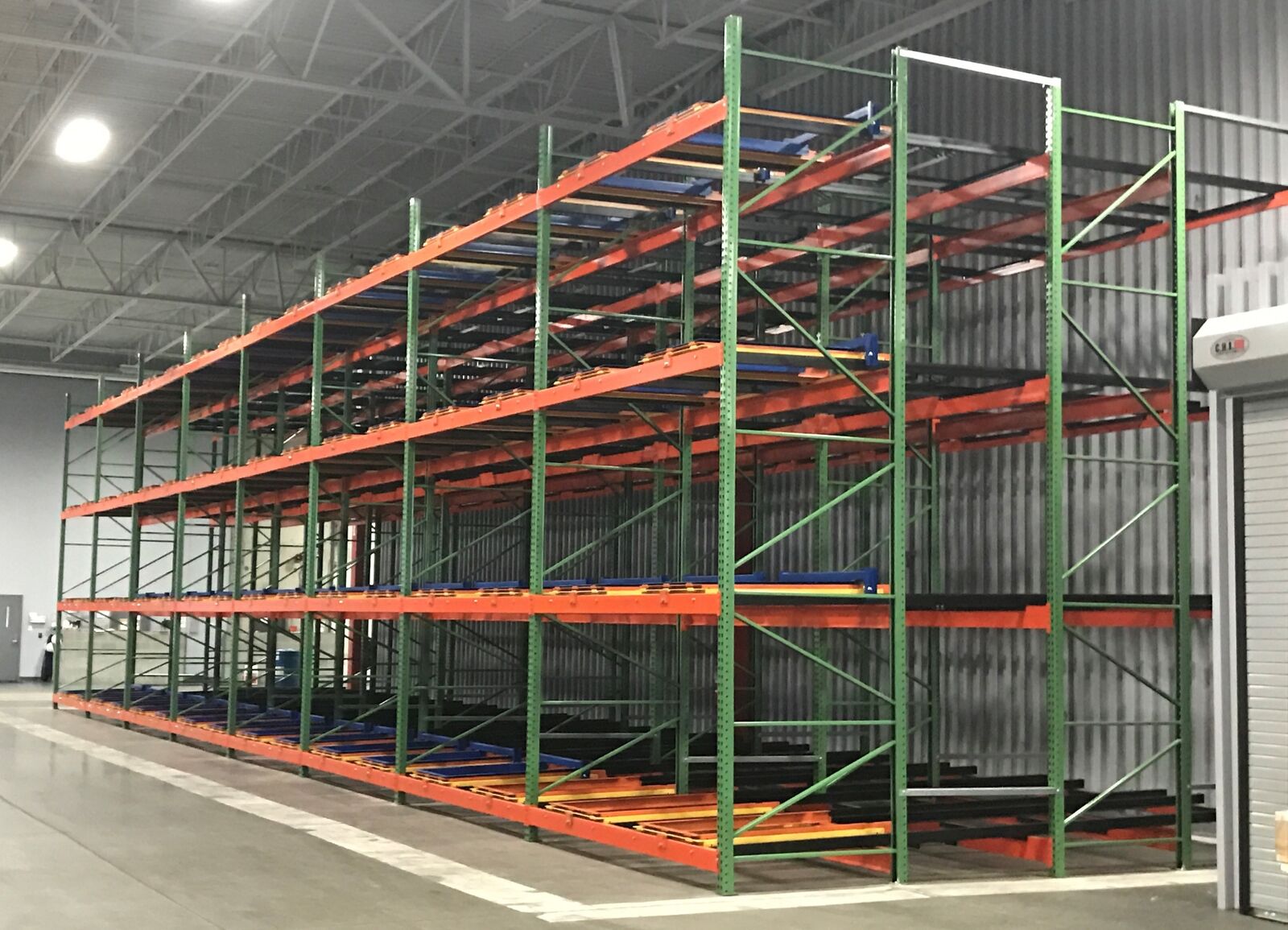
Pushback Rack
Two to six pallets deep from one aisle, without giving up much reach.
View details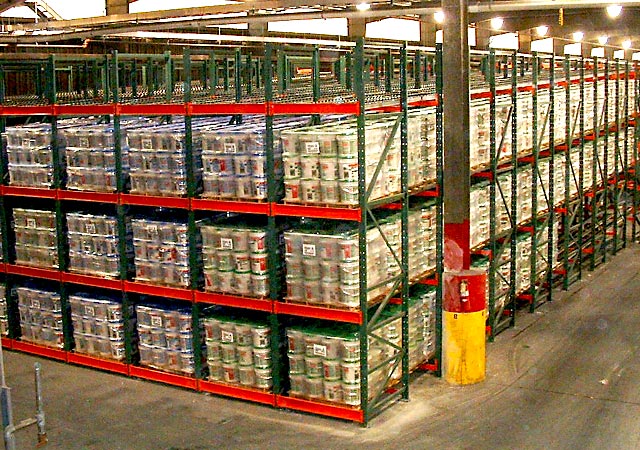
Pallet Flow Rack
Load one side, pick the other, and let gravity enforce first in, first out.
View details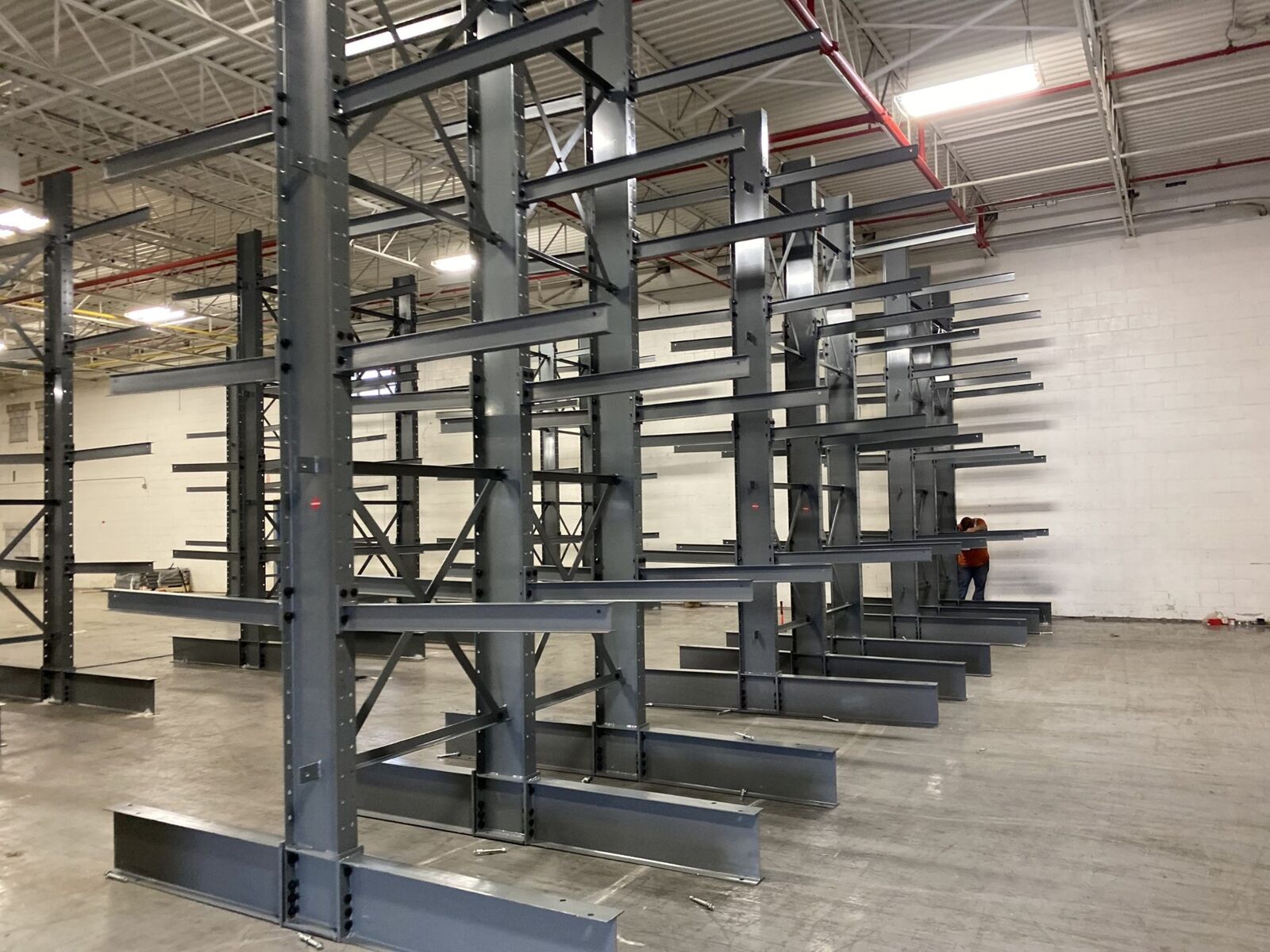
Cantilever Rack
Arms with nothing in front of them, built for lumber, pipe, and anything a pallet can't hold.
View details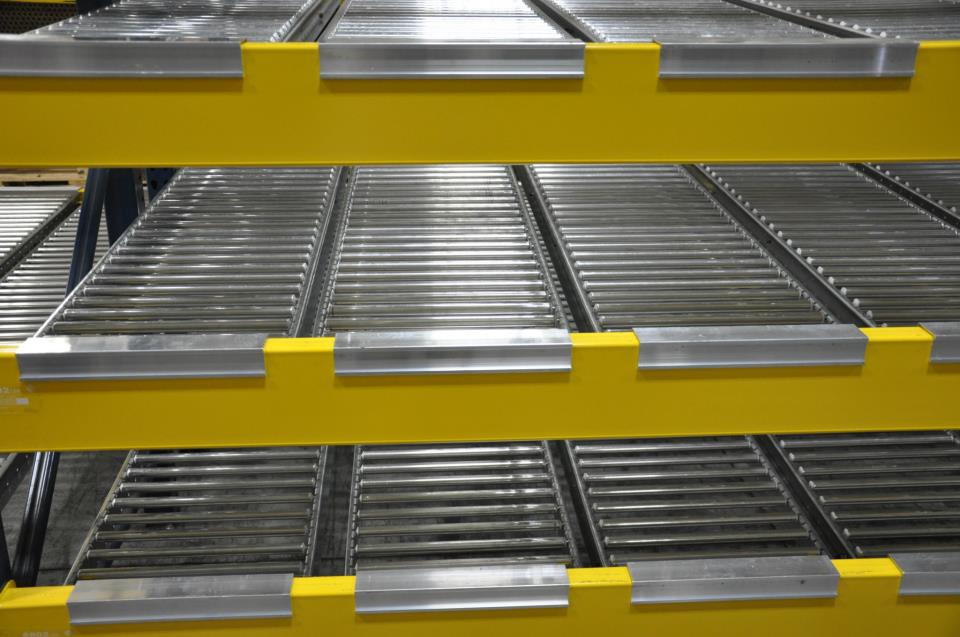
Carton Flow Rack
Cases advance to the picker instead of the picker hunting for cases.
View detailsNearby Areas We Also Serve
Our delivery and installation territory covers southeastern Wisconsin, with scope and scheduling agreed for each building.
Where We Work
Located in Milwaukee, we serve the entire Milwaukee metro with industrial pallet racks and warehouse storage solutions.
Milwaukee Pallet Rack
Address
7311 W Greenfield Ave.
Ste 316
Milwaukee, WI 53214
Phone
(414) 260-3593Business Hours
Monday - Friday: 8:00 AM - 6:00 PM
Saturday: Closed
Sunday: Closed
Need Drive-In Rack in Cudahy?
Call (414) 260-3593 or request a quote and we will get a layout started.