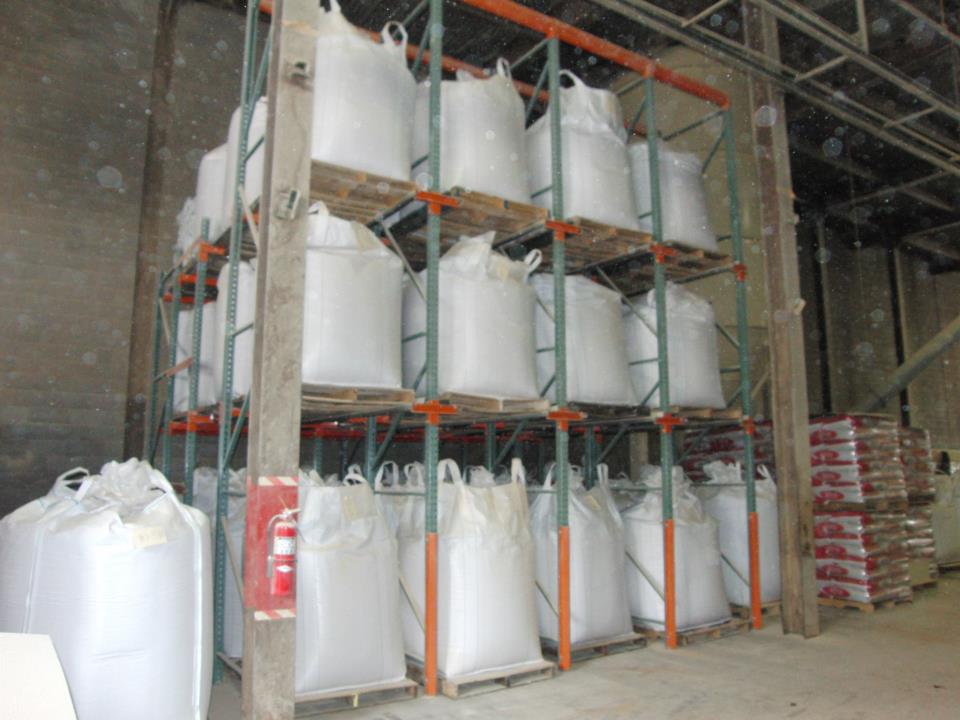
Drive-In Rack in Waukesha, WI
Drive-in rack in Waukesha, WI calls for closer support and access review when machinery components make up the reserve inventory. Deep lanes make sense for substantial quantities of a few repeat parts, not an assortment of unrelated components needed independently. The aim is dense reserve storage without turning ordinary production withdrawals into repeated pallet relocation.
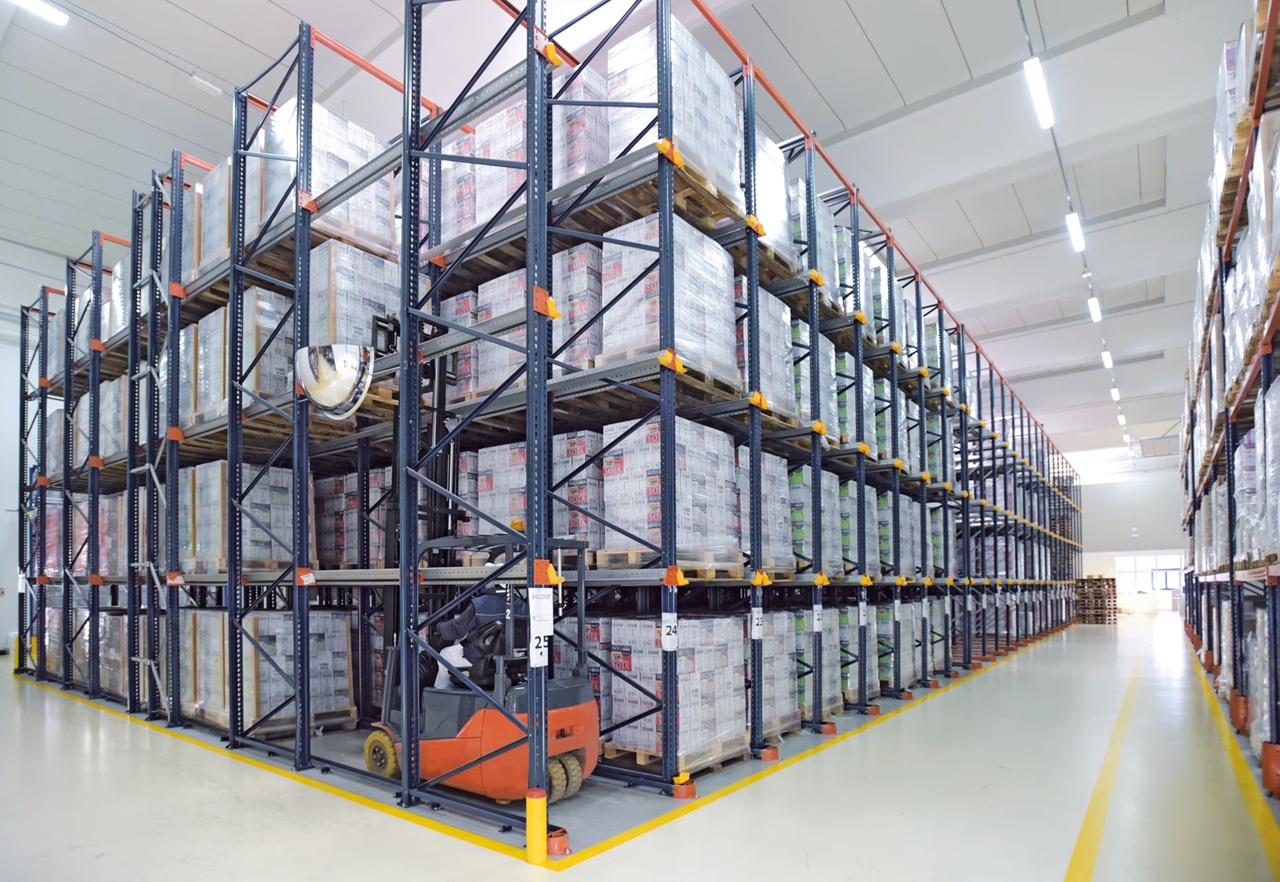
The handling method places the forklift on the floor inside a storage lane. Operators deposit pallets onto stationary support rails; the forklift never travels on those rails. With access at one end, the lane follows LIFO. As a division of Warehouse Equipment & Supplies Co., we represent a business supplying and installing storage equipment since 1997.
Drive-In Pallet Rack With Defined Bearing Support
Drive-in pallet rack specifications begin with actual component weights and how each load bears on its pallet. Concentrated machinery loads require particular attention to pallet suitability and underside support. We size rail profiles, bearing engagement, brackets, and support spacing around the stated load cases. Guide dimensions must help define entry without interfering with the truck or narrowing necessary operating clearance.
We check the working forklift, including chassis projections, mast width, carriage, attachments, and loaded envelope. Clearance is reviewed during entry and at each lifting position, not merely with forks lowered. A truck may reach an elevation yet lack the required capability or physical room there. Both operating capacity and dimensional compatibility belong in the same review.
The installation scope uses new materials with the structure anchored to the floor. Rail elevations and lane dimensions follow the agreed load schedule rather than a generic component pattern. Cooler or freezer applications remain possible when the product, pallet, rack components, and truck suit that environment. Temperature requirements should be stated before equipment selection, not added after layout approval.
Compare the storage choices for your operation: Waukesha equipment services; Bulk system details for Waukesha; Waukesha pushback comparison; Waukesha pallet flow planning.
Where Drive-Thru Racking Supports Production Rotation
Compare the lane arrangement with Waukesha inventory and handling requirements before ordering material.
Identify repeat component families
Separate matching pallet loads from mixed assemblies and service stock. Record ordinary balances, batch arrivals, and withdrawal frequency so lane depth reflects ongoing production needs rather than an exceptional receipt.
Document support requirements
Provide the heaviest load, pallet construction, bearing surfaces, and any concentrated weight. Review load stability before deciding where rails should engage the pallet and how the supports should be arranged.
Check the truck in motion
Compare chassis and mast dimensions with the proposed lane throughout the handling cycle. Include attachments, pallet overhang, lift position, and the approach needed to enter squarely.
Agree on loading limits
Finalize new rack components anchored to the floor, level elevations, and capacity identification. Give operators clear lane assignments and placement instructions tied to the approved component loads.
Drive-In Rack Matched to Machinery Loads
Along Sunset Drive and US 18, machinery operations may carry repeat components beside irregular assemblies and service parts. Their retrieval needs differ enough to warrant separate storage zones. We identify loads that can occupy dedicated deep lanes and retain separate access for parts whose production priority can change during a shift.
For Waukesha buildings in the 24–30-foot clear-height range, a heavy load’s height and the forklift’s capability can matter more than the remaining overhead space. Traffic connecting with I-94 also needs room for receiving and shipment preparation. We evaluate storage positions alongside those movements, rather than proposing lane depth that leaves nowhere to marshal incoming components.
Waukesha operating requirements
Opposing-face drive-thru racking can provide FIFO movement when replenishment enters one side and retrieval occurs at the other under a disciplined sequence. It does not make random component selection possible. If trucks should stay outside storage lanes, compare pushback for LIFO reserves; it can suit shorter batches while avoiding repeated forklift travel into the structure.


Review Your Waukesha Storage Plan
Send component weights, pallet drawings, truck specifications, and available storage dimensions for a practical drive-in rack comparison. Call (414) 260-3593.
Milwaukee Pallet Rack
7311 W Greenfield Ave.
Ste 316
Milwaukee, WI 53214
(414) 260-3593Monday - Friday: 8:00 AM - 6:00 PM
Waukesha bulk storage decisions
Other Rack Types We Supply in Waukesha
Pallet Rack
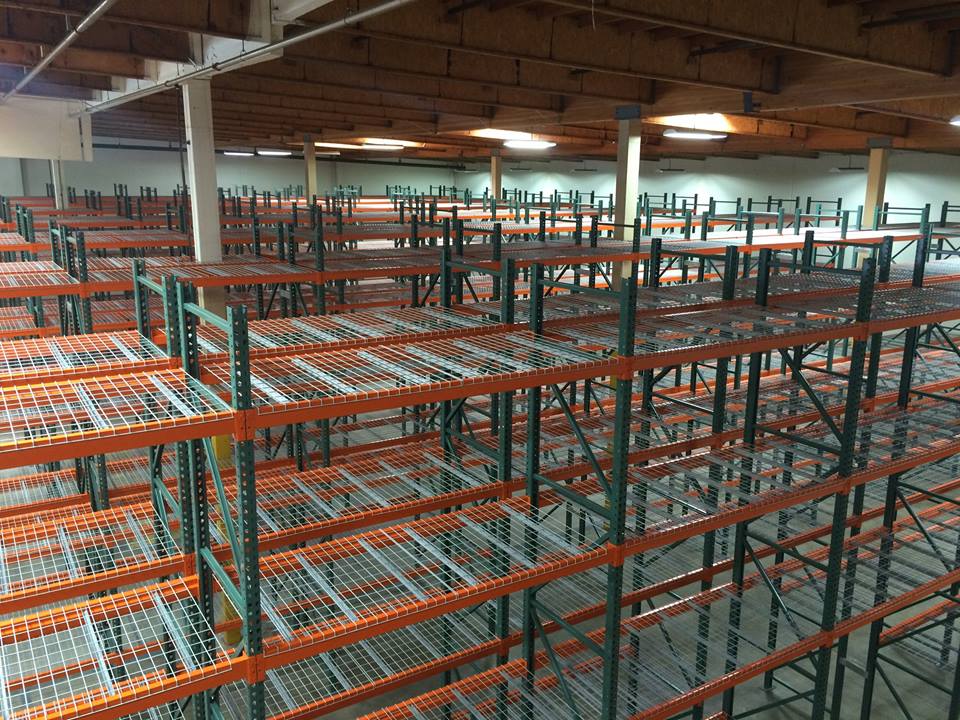
Every pallet reachable, every time. The baseline we size everything else against.
View details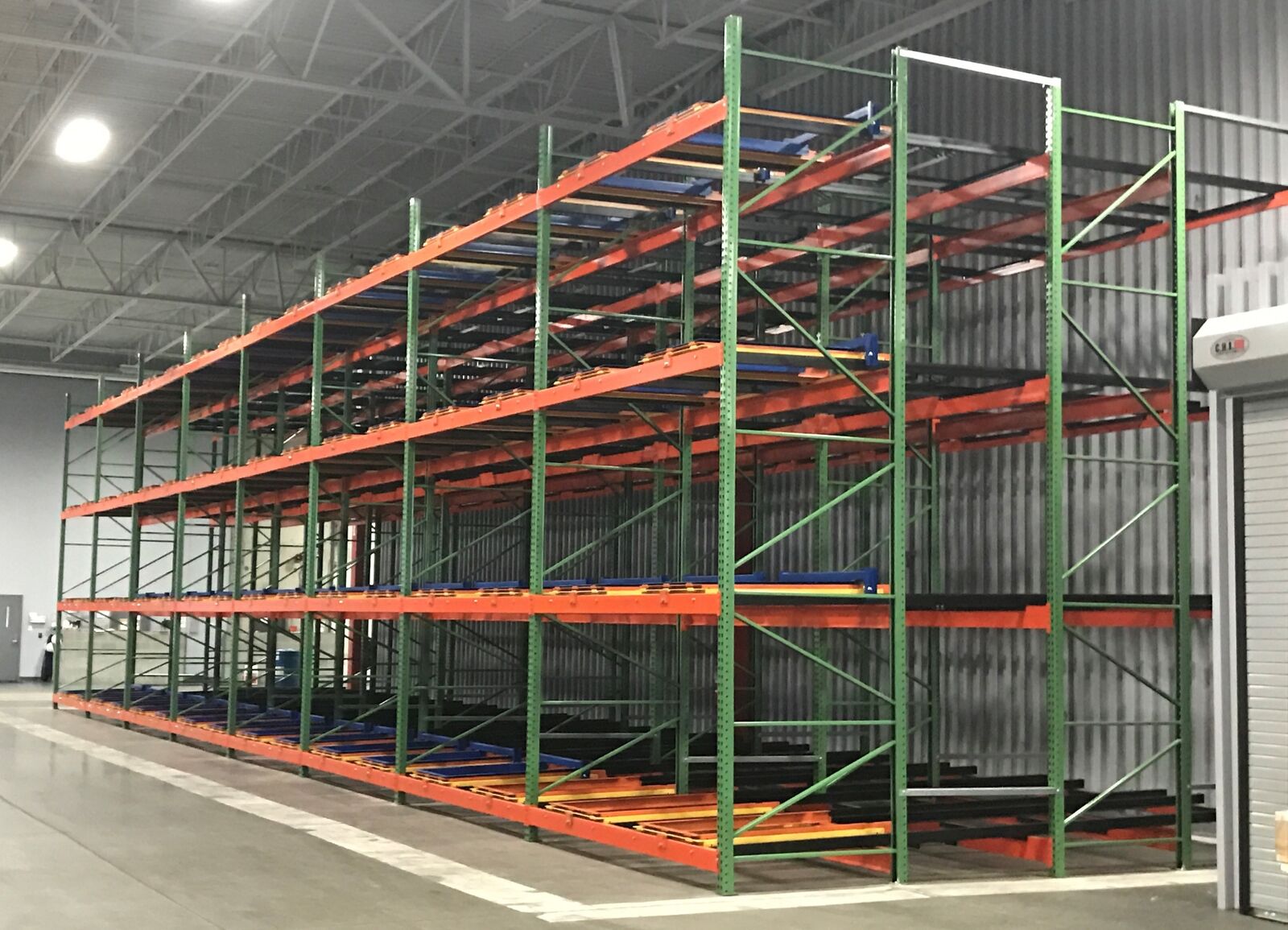
Pushback Rack
Two to six pallets deep from one aisle, without giving up much reach.
View details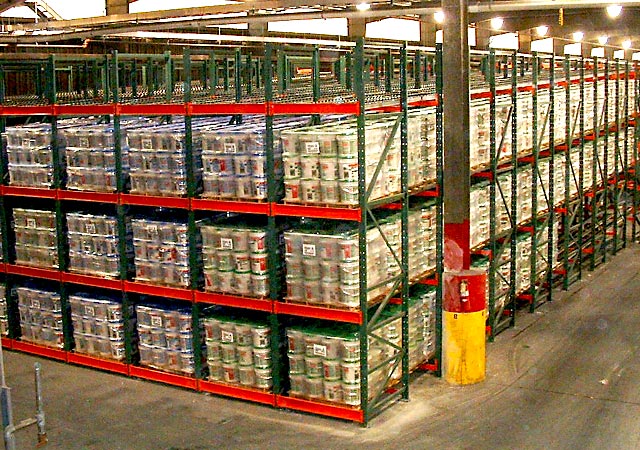
Pallet Flow Rack
Load one side, pick the other, and let gravity enforce first in, first out.
View details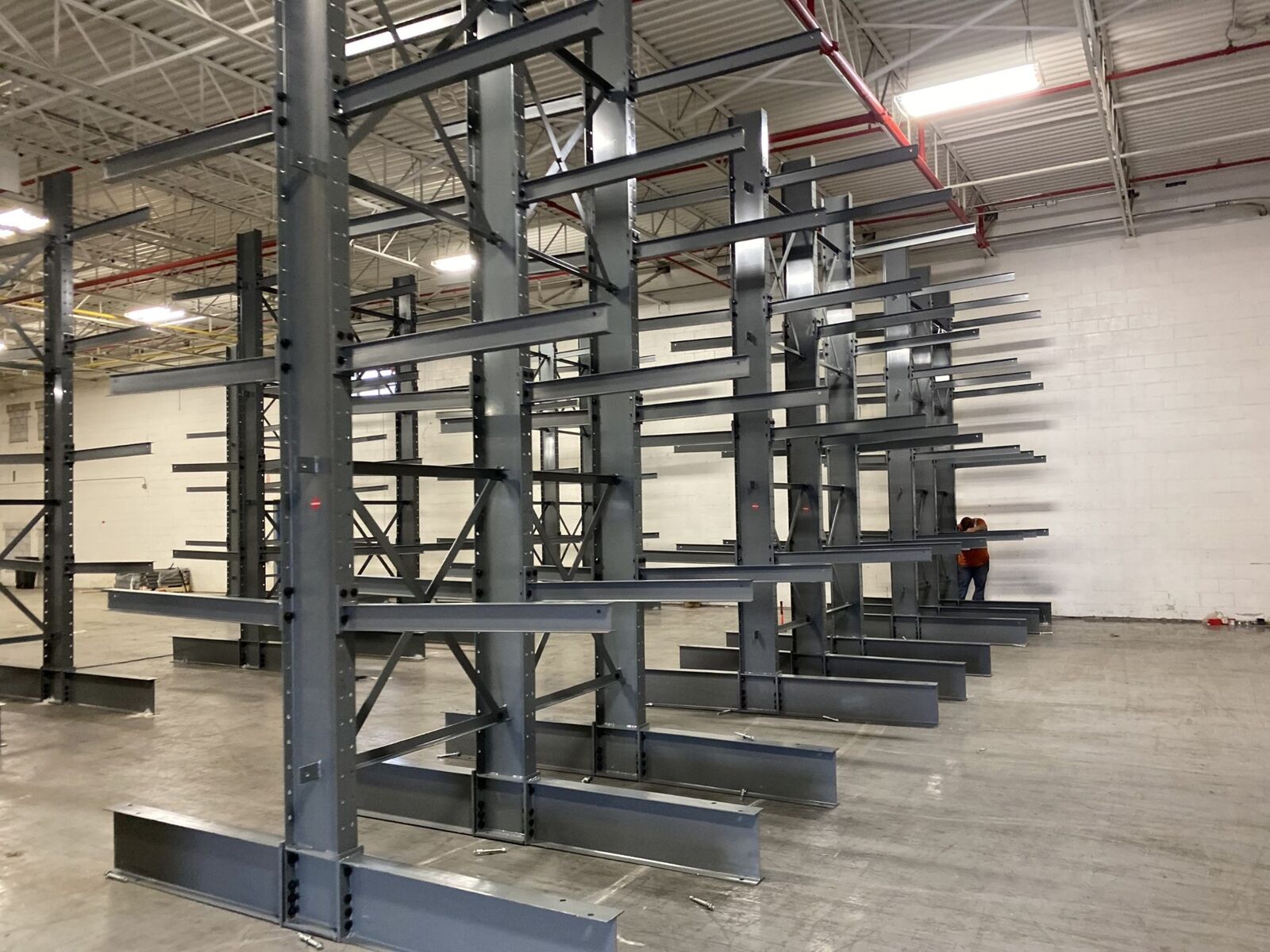
Cantilever Rack
Arms with nothing in front of them, built for lumber, pipe, and anything a pallet can't hold.
View details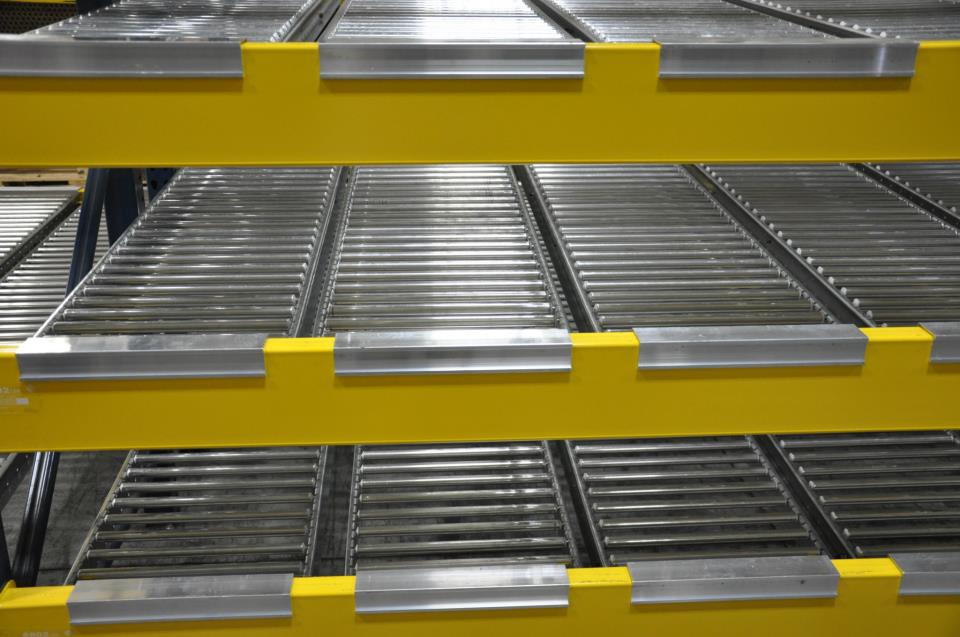
Carton Flow Rack
Cases advance to the picker instead of the picker hunting for cases.
View detailsNearby Areas We Also Serve
Our delivery and installation territory covers southeastern Wisconsin, with scope and scheduling agreed for each building.
Where We Work
Located in Milwaukee, we serve the entire Milwaukee metro with industrial pallet racks and warehouse storage solutions.
Milwaukee Pallet Rack
Address
7311 W Greenfield Ave.
Ste 316
Milwaukee, WI 53214
Phone
(414) 260-3593Business Hours
Monday - Friday: 8:00 AM - 6:00 PM
Saturday: Closed
Sunday: Closed
Need Drive-In Rack in Waukesha?
Call (414) 260-3593 or request a quote and we will get a layout started.