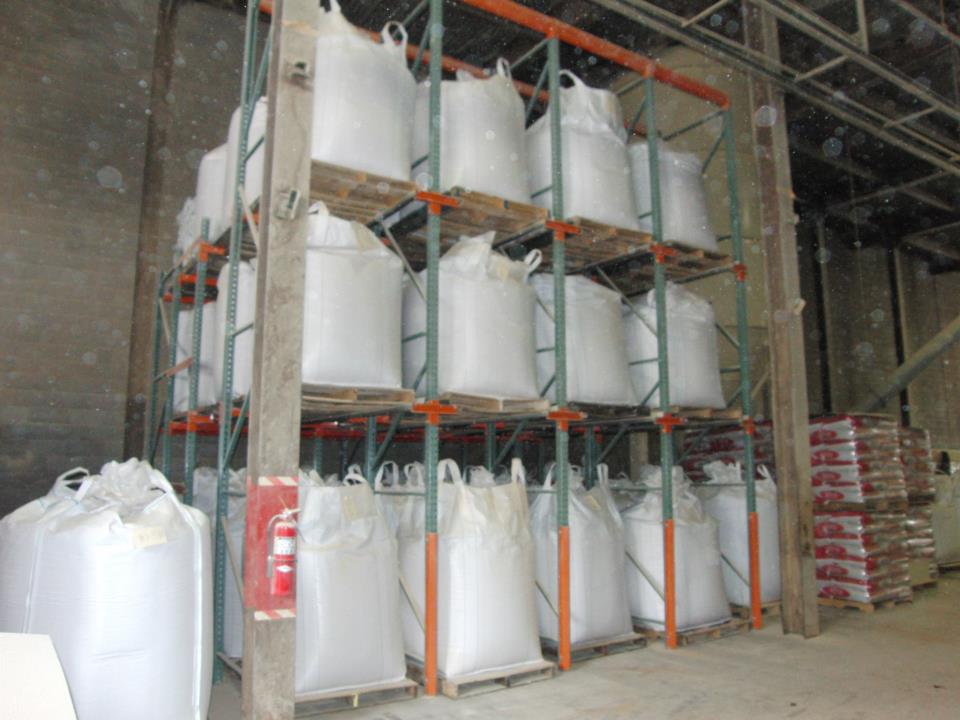
Drive-In Rack in Kenosha, WI
Drive-in rack in Kenosha, WI suits consumer goods reserves and third-party logistics stock held in deep, repeatable batches of a few SKUs. Along Highway 50 and I-94, the storage decision should account for account ownership, release rules and replenishment quantities, not simply the appeal of fitting more pallet positions into a distribution footprint.
The forklift drives into a lane on the floor and places pallets onto stationary support rails. Truck wheels remain on the floor throughout handling. This arrangement trades independent access for concentrated storage, making it appropriate for matching reserve loads rather than an unrestricted assortment of account inventory.
Drive-In Rack Materials and Coordinated Installation
Rail design follows the pallet’s actual bearing pattern, maximum loaded weight and required support spacing. Different account pallets may have different underside construction even when their nominal dimensions match. We establish an acceptable pallet specification before selecting support rails, then size guides around the intended truck path rather than confusing guides with load-bearing members.
The truck review includes chassis dimensions, mast sections, load backrest and the loaded pallet envelope through every placement movement. Upper levels require particular attention to raised components and placement clearance. Cooler and freezer reserves add operating temperature and moisture exposure to the material review, while refrigeration boundaries affect the available lane arrangement.
A drive-in rack proposal defines new material quantities, lane depth, storage elevations, guides and installation responsibilities. Crews assemble and align the structure with rack anchored to the floor. Handover relates capacity information to the specified pallets and layout, helping the operator avoid treating an approved lane as open storage for any incoming account load.
Compare the storage choices for your operation: Kenosha equipment services; Bulk system details for Kenosha; Kenosha pushback comparison; Kenosha pallet flow planning.
Manage Drive-Thru Racking Across Account Release Rules
Compare the lane arrangement with Kenosha inventory and handling requirements before ordering material.
Build the account inventory profile
Separate quantities by owner, SKU, lot and release condition. Check whether each group can occupy complete lanes through ordinary receiving and shipping cycles without leaving persistent unused depth.
Validate the pallet standard
Collect underside details and loaded dimensions for the pallets actually expected. Flag exceptions before setting rail geometry so account variation is addressed in the design rather than during receiving.
Compare traffic and rotation
Draw the access required for one-face and two-face handling. Evaluate approach space, lane assignments and retrieval discipline alongside position counts, especially where several accounts share the same operating team.
Install with a defined handover
Agree on unloading and work zones, then complete new rack assembly with rack anchored to the floor. Review the approved loading pattern, pallet restrictions and capacity information before allocating account inventory.
Kenosha Drive-In Pallet Rack for Defined Reserve Groups
For Kenosha buyers, Milwaukee Pallet Rack brings the storage planning of a division of Warehouse Equipment & Supplies Co., supplying and installing since 1997. We evaluate drive-in pallet rack using the inventory that will occupy the lanes, the pallets supporting it and the trucks assigned to enter them.
LakeView Corporate Park is in adjacent Pleasant Prairie, and its distribution setting provides relevant context without making every Kenosha building identical. In newer 32–40-foot facilities, usable storage height depends on loaded dimensions and truck reach. For a 3PL, changing account profiles can be as important as the available vertical space.
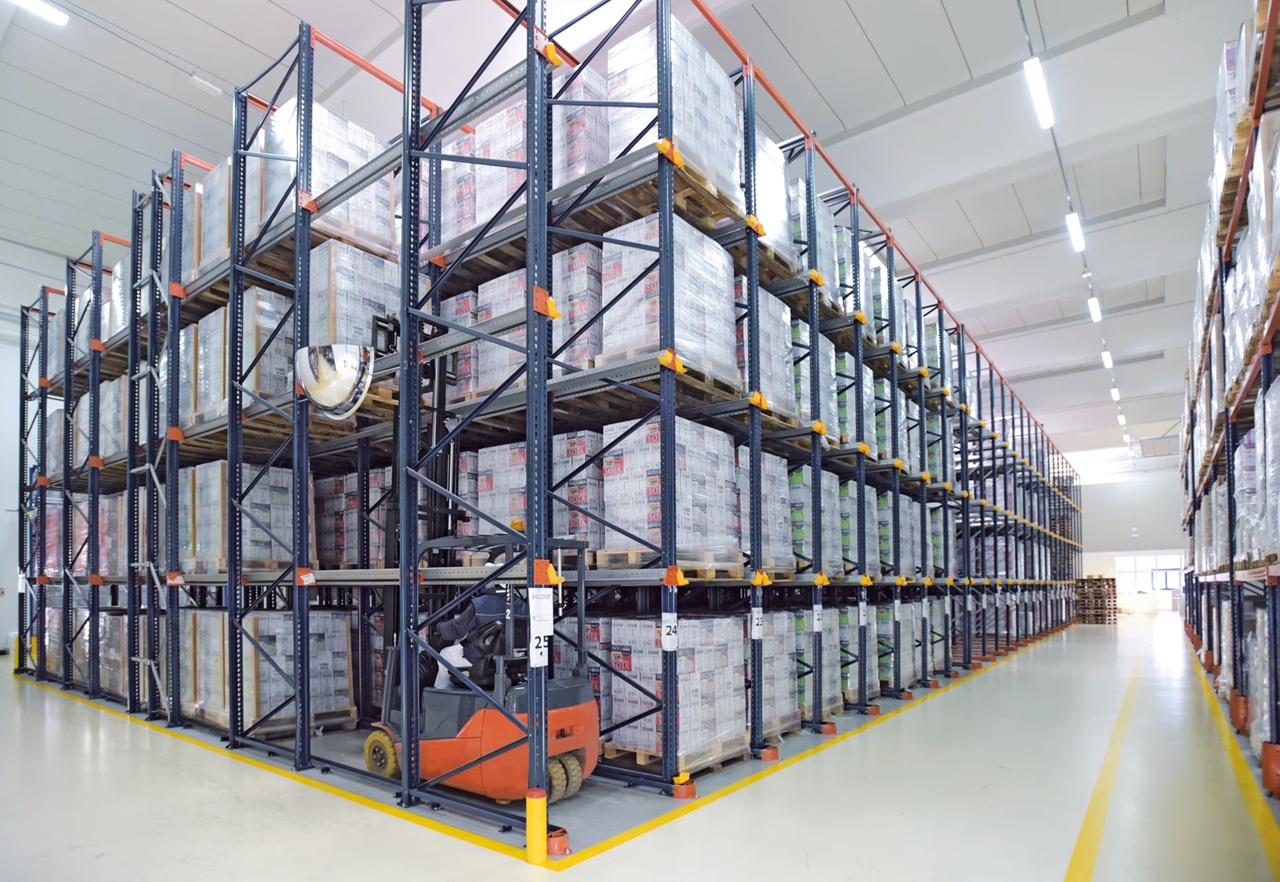
Kenosha operating requirements
Single-entry operation is LIFO, with the nearest deposited pallets retrieved before earlier loads deeper inside. Drive-thru racking can support FIFO through two working faces, provided inbound placement and outbound retrieval follow opposite-face rules and an agreed sequence. Account changes, quarantine holds and partial releases can disrupt that pattern. Where frequent switching matters more than maximum depth, pushback keeps the forklift outside the structure and merits a separate comparison.


Review Your Kenosha Storage Plan
Send your account inventory profile, pallet specifications and truck details to compare reserve density with practical retrieval access. Request a layout and clearly separated installation responsibilities. Call (414) 260-3593.
Milwaukee Pallet Rack
7311 W Greenfield Ave.
Ste 316
Milwaukee, WI 53214
(414) 260-3593Monday - Friday: 8:00 AM - 6:00 PM
Kenosha bulk storage decisions
Other Rack Types We Supply in Kenosha
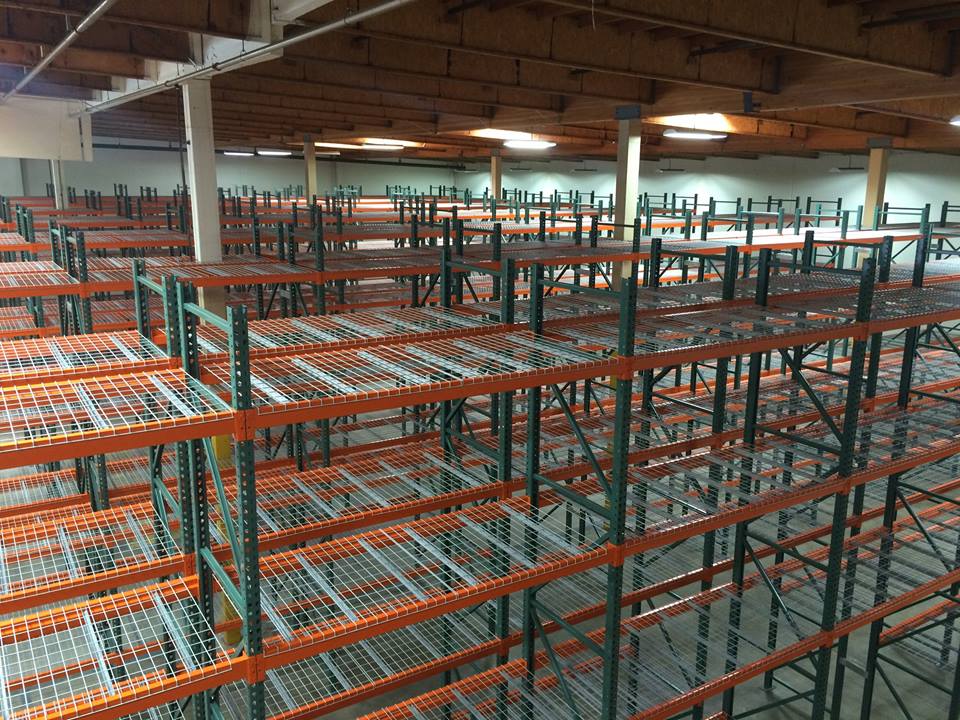
Pallet Rack
Every pallet reachable, every time. The baseline we size everything else against.
View details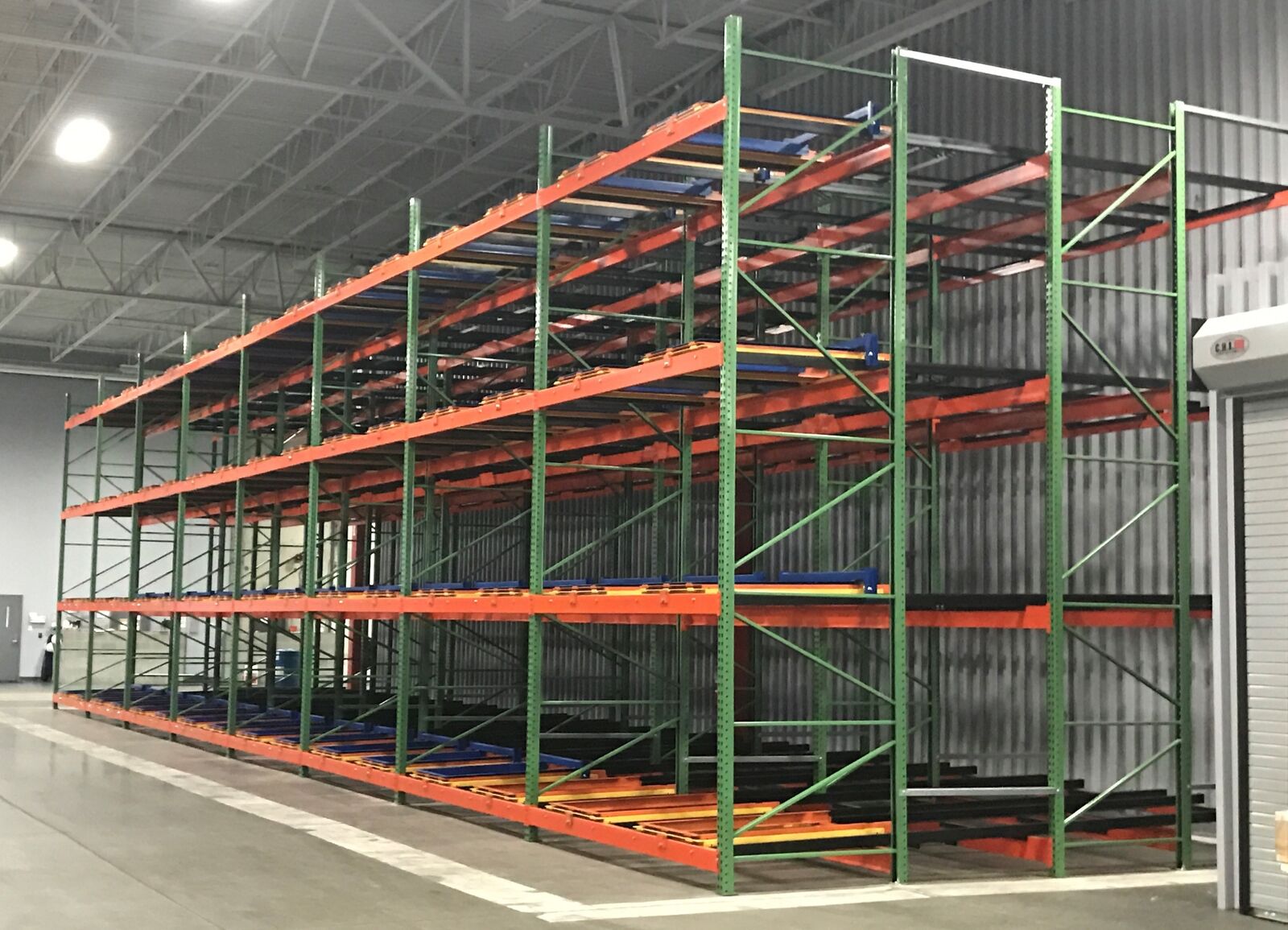
Pushback Rack
Two to six pallets deep from one aisle, without giving up much reach.
View details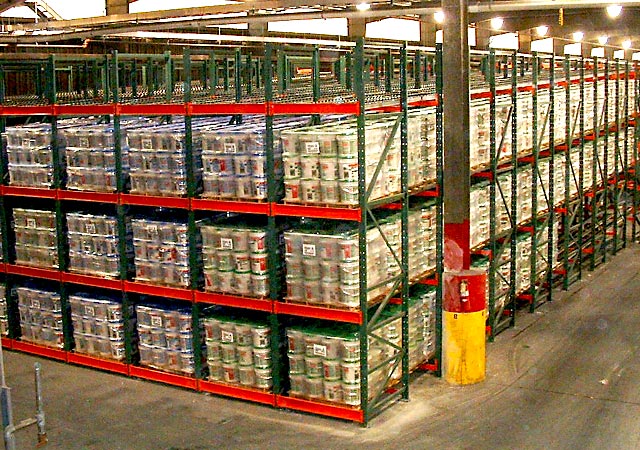
Pallet Flow Rack
Load one side, pick the other, and let gravity enforce first in, first out.
View details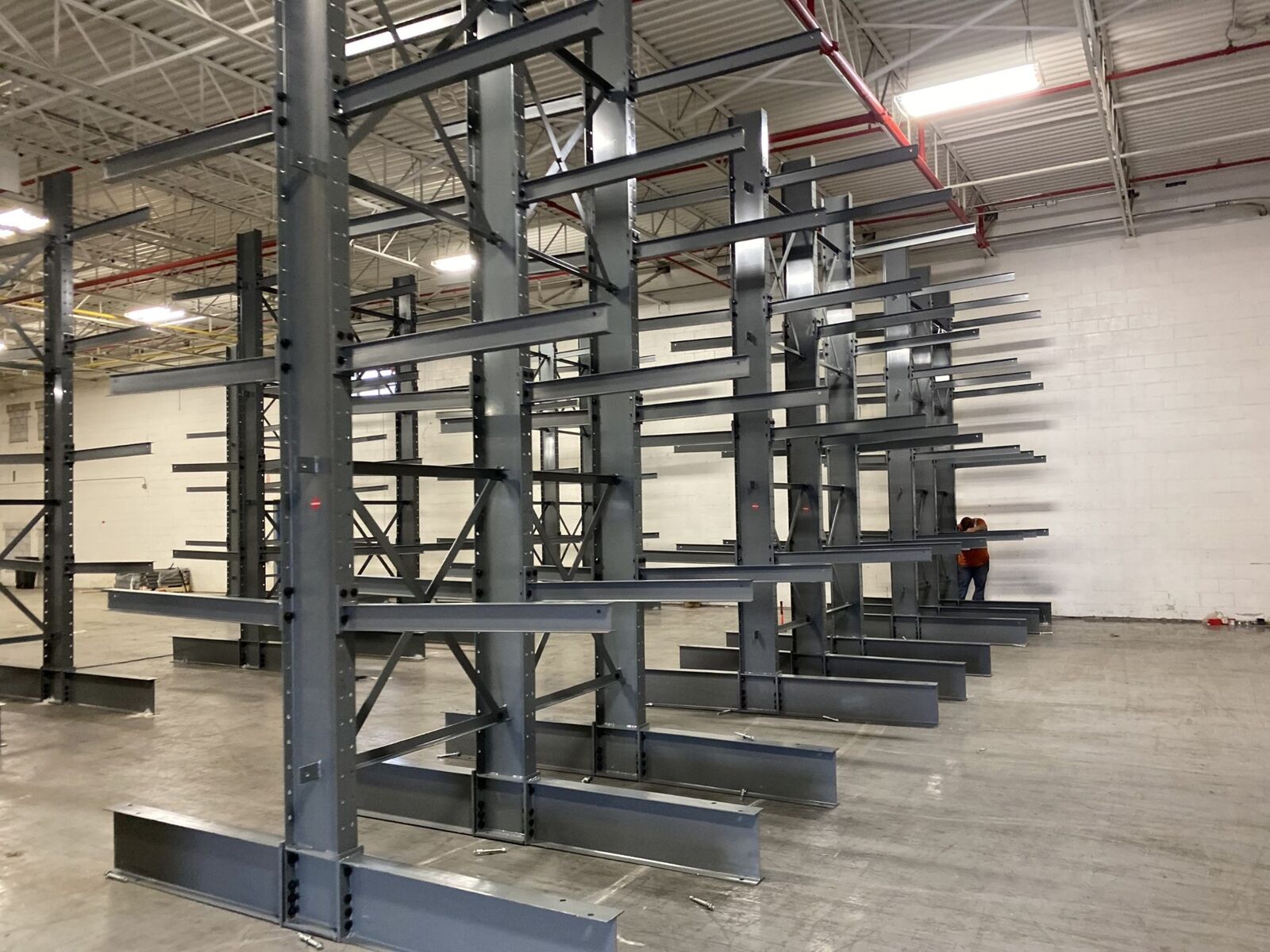
Cantilever Rack
Arms with nothing in front of them, built for lumber, pipe, and anything a pallet can't hold.
View details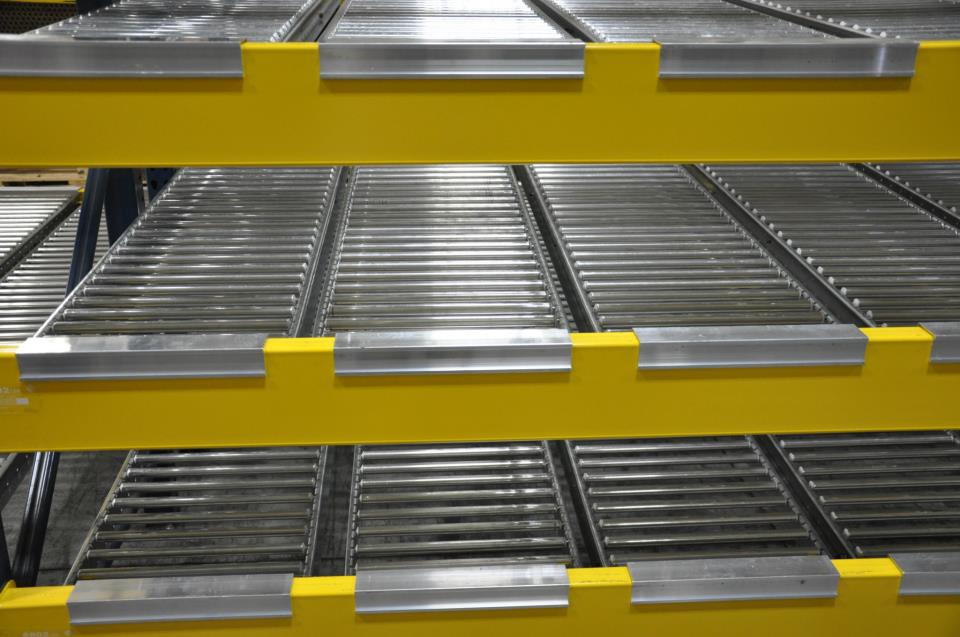
Carton Flow Rack
Cases advance to the picker instead of the picker hunting for cases.
View detailsNearby Areas We Also Serve
Our delivery and installation territory covers southeastern Wisconsin, with scope and scheduling agreed for each building.
Where We Work
Located in Milwaukee, we serve the entire Milwaukee metro with industrial pallet racks and warehouse storage solutions.
Milwaukee Pallet Rack
Address
7311 W Greenfield Ave.
Ste 316
Milwaukee, WI 53214
Phone
(414) 260-3593Business Hours
Monday - Friday: 8:00 AM - 6:00 PM
Saturday: Closed
Sunday: Closed
Need Drive-In Rack in Kenosha?
Call (414) 260-3593 or request a quote and we will get a layout started.