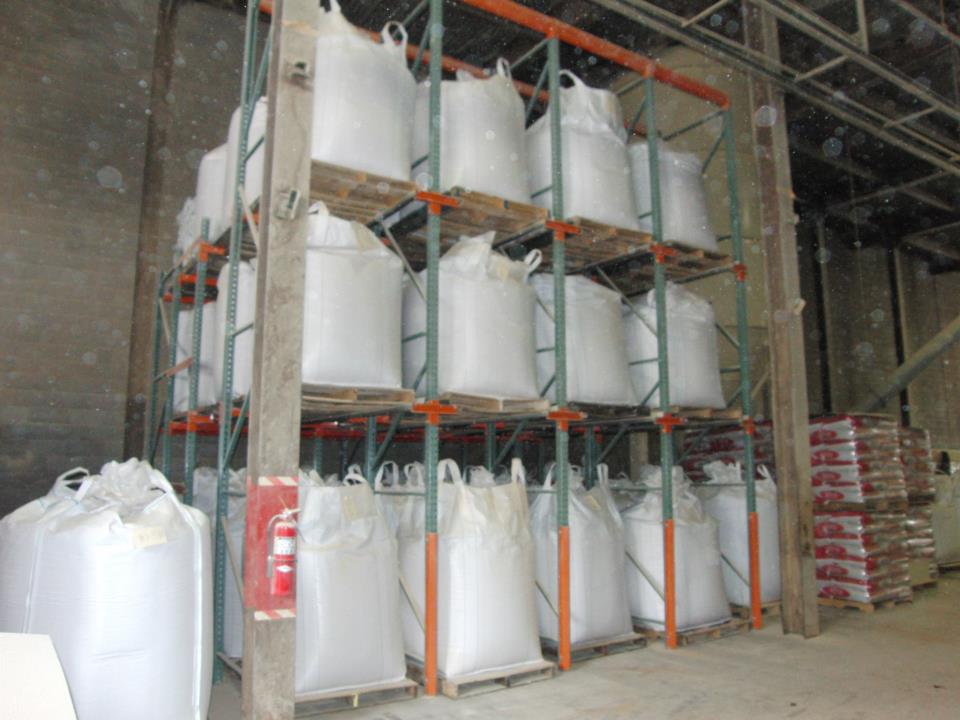
Drive-In Rack in Racine, WI
Drive-in rack in Racine, WI works best when production or purchasing creates substantial quantities of a few matching products. Consumer products reserves can be a good candidate, but the decision depends on pallet counts per SKU and required stock rotation. Filling a building with deep lanes is not helpful if routine orders require pallets trapped behind other inventory.
Inside each lane, the forklift runs on the floor while stationary support rails carry the deposited pallets. The truck does not ride on the rails. Single-entry lanes operate LIFO, placing the most recently received pallet closest to retrieval. Our business operates as a division of Warehouse Equipment & Supplies Co., supplying and installing storage systems since 1997.
Drive-In Pallet Rack From Layout to Installation
Drive-in pallet rack planning includes pallet condition, underside geometry, weight distribution, and load stability. Rail bearing must remain adequate across the permitted placement range. Support rails, their connections, and entry guides are sized for the specified loads and handling envelope. A pallet that works on another storage system is not automatically suitable for this support arrangement.
Tall storage makes the actual forklift specification particularly important. We review chassis dimensions, mast sections, carriage width, attachments, and load overhang at working elevations. The truck must enter, raise the load, settle it onto the supports, and reverse without interference. Lift height by itself does not establish whether the mast and chassis can operate inside the proposed lane.
We specify new material and coordinate installation with rack anchored to the floor. Drawings establish lane quantities, elevations, traffic faces, and support details before assembly. Cooler and freezer storage can use this format with temperature-suitable equipment and components. Pallet suitability, visibility, and handling clearances still require attention; chilled space does not justify reducing the room needed for controlled placement.
Compare the storage choices for your operation: Racine equipment services; Bulk system details for Racine; Racine pushback comparison; Racine pallet flow planning.
Drive-In Rack for Batch-Based Reserves
The Root River industrial areas and Highway 32 corridor call for a building-specific approach rather than assumptions borrowed from larger distribution properties. Manufacturing reserves may arrive in batches but leave in smaller releases. We examine that mismatch before choosing depth, because a production batch should not automatically become a full lane assignment.
Nearby Mount Pleasant and Sturtevant include newer distribution settings with approximately 32–40 feet of clear height. For consumer products moving through the I-94 corridor, those taller envelopes can support additional levels only when pallet heights and truck capabilities agree. We distinguish those conditions from the measured Racine location rather than applying one regional building profile to every proposal.
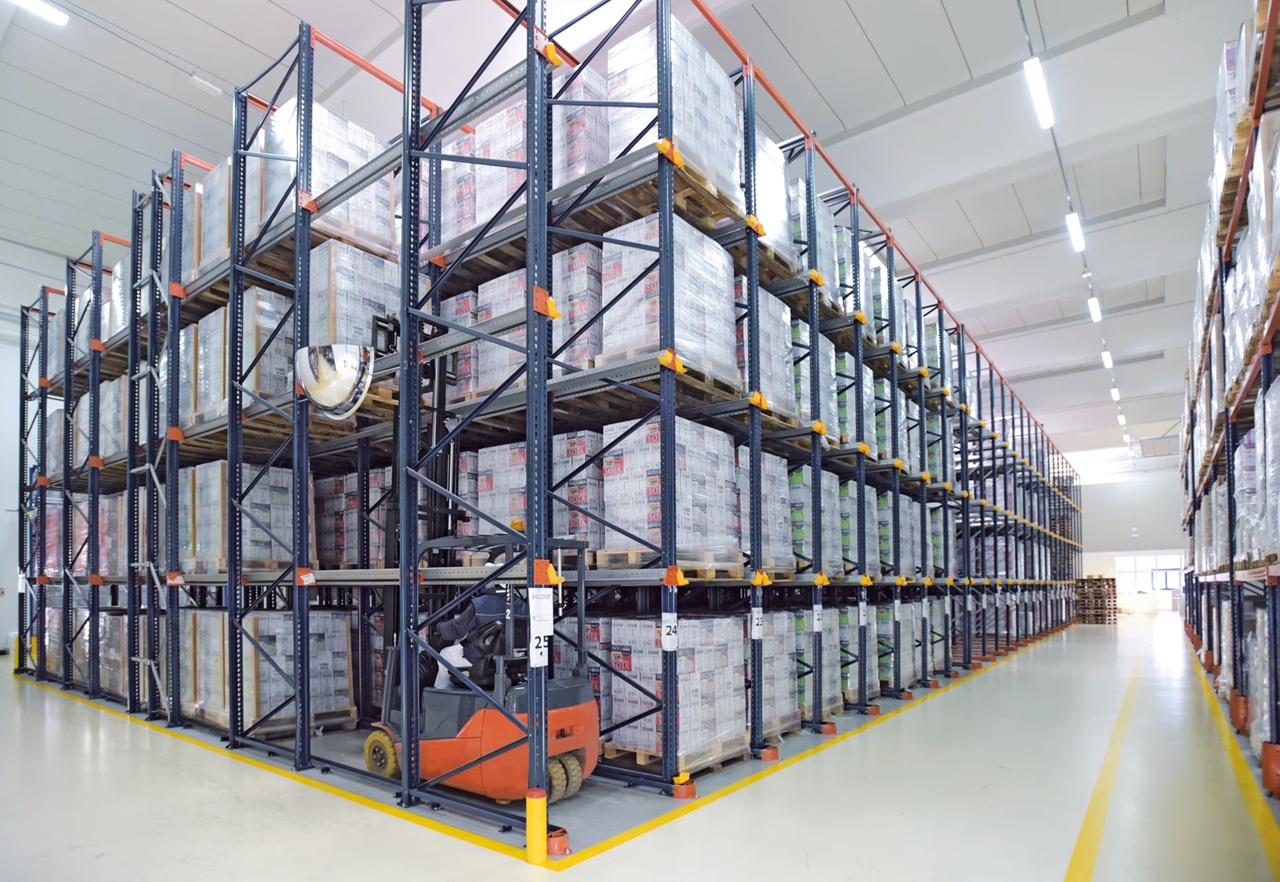
Racine operating requirements
Drive-thru racking uses opposing loading and retrieval faces to support FIFO, provided the operating sequence preserves that order. Staff must replenish from the designated end and avoid withdrawals that undermine rotation. For manufacturing buffers with frequent SKU changes, pushback deserves comparison: the forklift stays outside the lanes, although storage remains LIFO and still requires sensible lane assignments.
Planning Drive-Thru Racking Around FIFO
Compare the lane arrangement with Racine inventory and handling requirements before ordering material.
Map production and distribution batches
Record incoming quantities, normal balances, and shipping releases for each candidate SKU. Separate reserves that can tolerate blocked access from products requiring immediate selection or strict lot control.
Compare both traffic faces
Test whether receiving and shipping can work from opposite ends without competing for staging space. If only one face is practical, evaluate the consequences of last-in, first-out handling.
Verify loads at elevation
Match pallet bearing and rail support to the heaviest specified load. Check the forklift’s physical envelope and usable capability at every proposed level rather than extrapolating from floor-level handling.
Prepare the operating handoff
Agree on installation access, rack anchored to the floor, lane identification, and loading instructions. Establish how operators will recognize empty positions and keep each lane’s product assignment intact.


Review Your Racine Storage Plan
Share your storage dimensions, product rotation requirements, and forklift information to evaluate the right lane arrangement for drive-in rack. Call (414) 260-3593.
Milwaukee Pallet Rack
7311 W Greenfield Ave.
Ste 316
Milwaukee, WI 53214
(414) 260-3593Monday - Friday: 8:00 AM - 6:00 PM
Racine bulk storage decisions
Other Rack Types We Supply in Racine
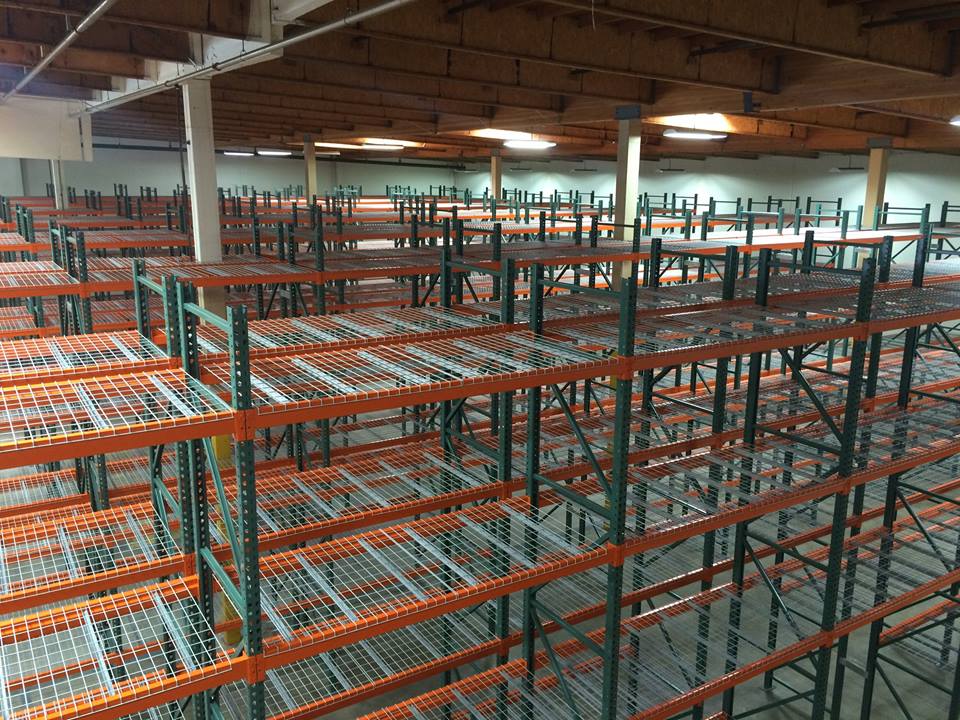
Pallet Rack
Every pallet reachable, every time. The baseline we size everything else against.
View details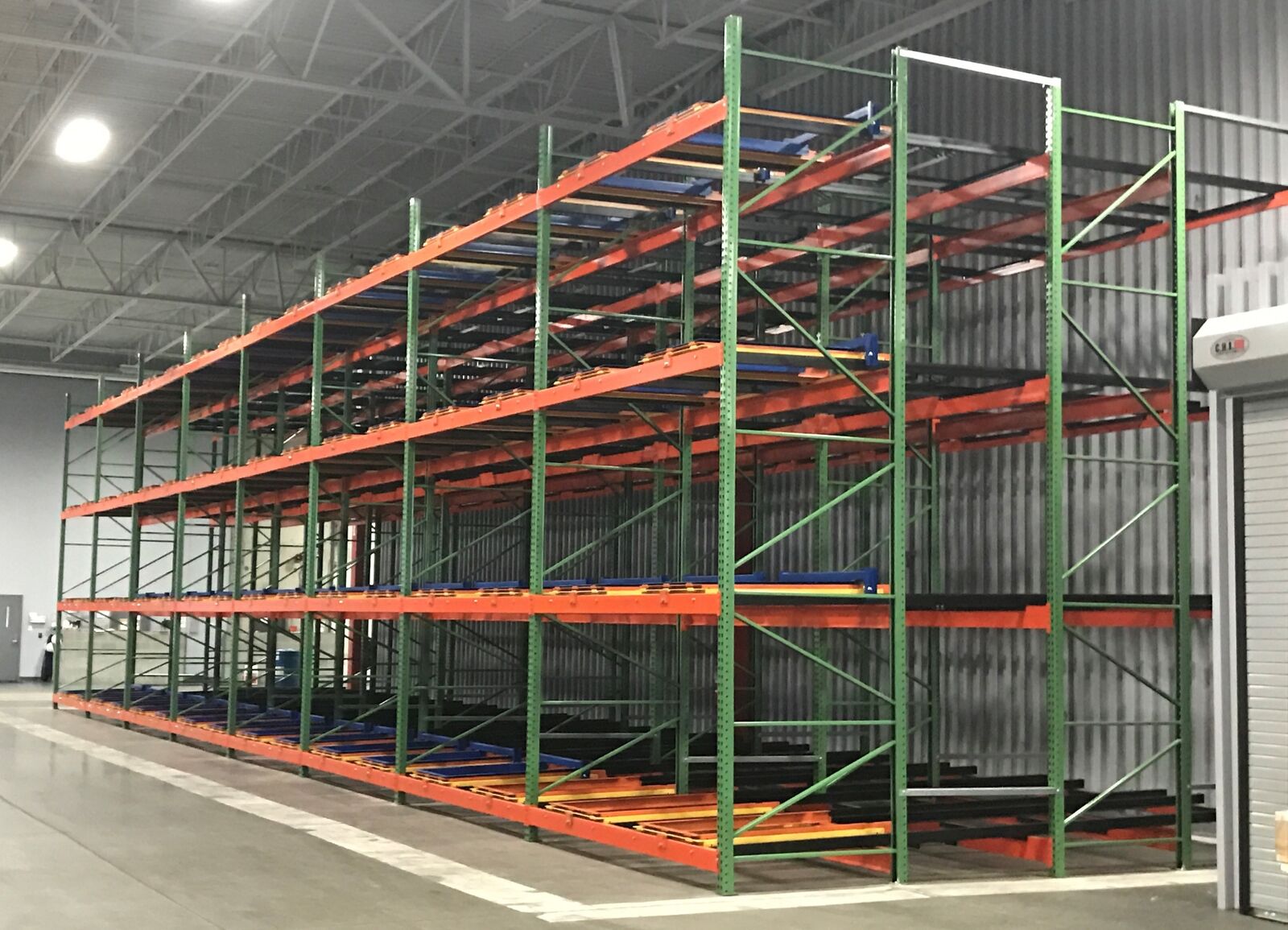
Pushback Rack
Two to six pallets deep from one aisle, without giving up much reach.
View details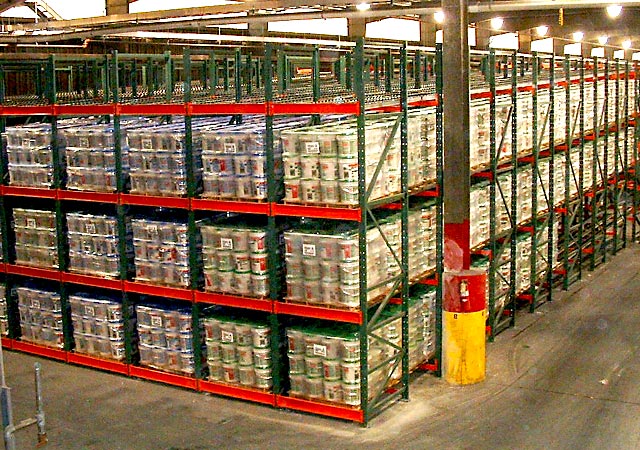
Pallet Flow Rack
Load one side, pick the other, and let gravity enforce first in, first out.
View details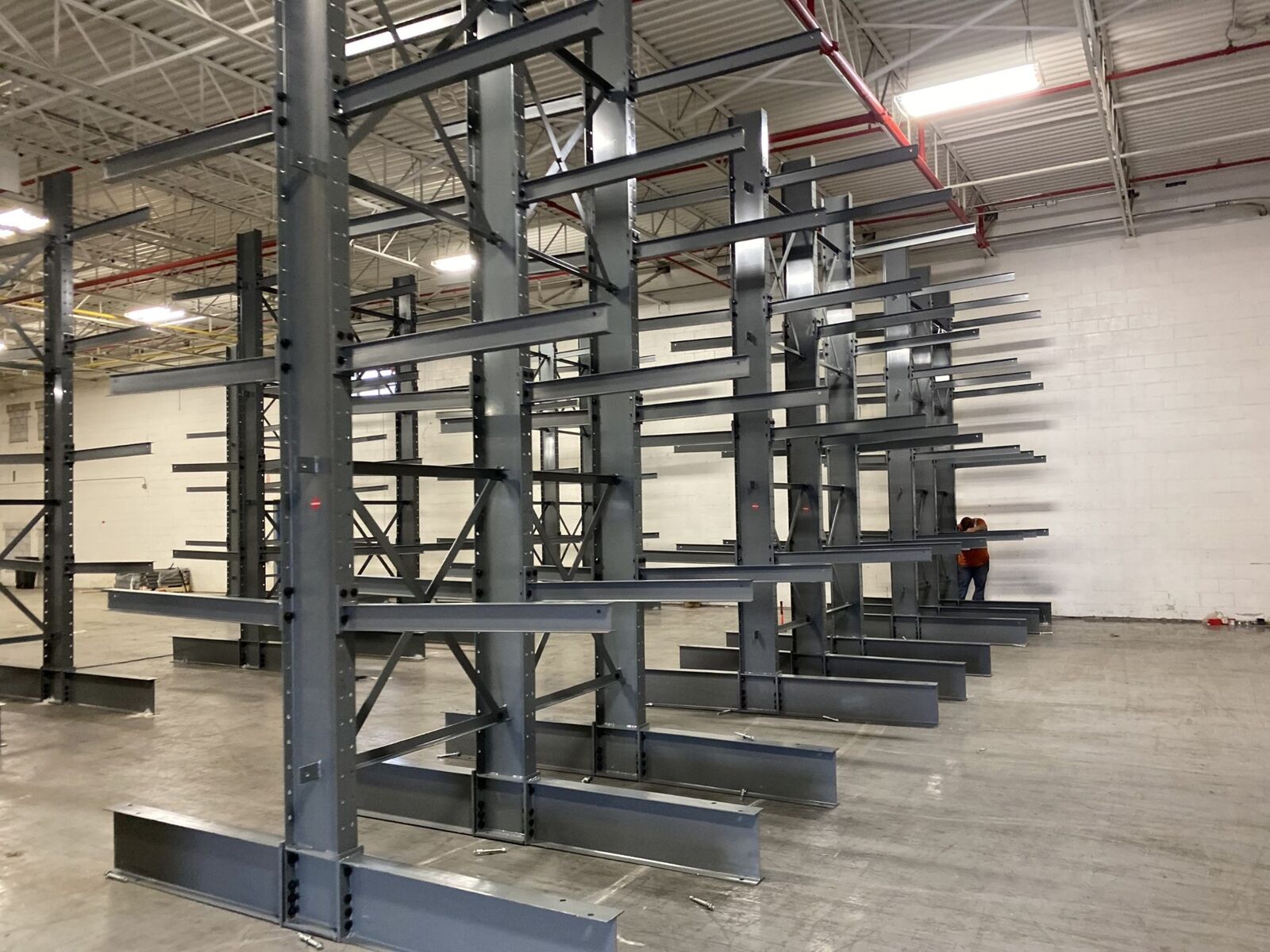
Cantilever Rack
Arms with nothing in front of them, built for lumber, pipe, and anything a pallet can't hold.
View details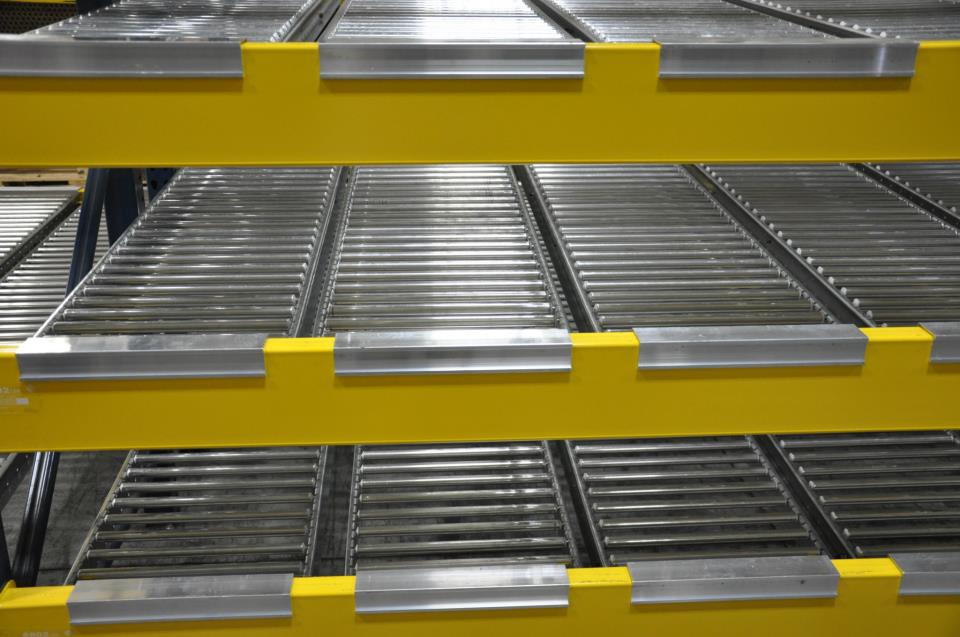
Carton Flow Rack
Cases advance to the picker instead of the picker hunting for cases.
View detailsNearby Areas We Also Serve
Our delivery and installation territory covers southeastern Wisconsin, with scope and scheduling agreed for each building.
Where We Work
Located in Milwaukee, we serve the entire Milwaukee metro with industrial pallet racks and warehouse storage solutions.
Milwaukee Pallet Rack
Address
7311 W Greenfield Ave.
Ste 316
Milwaukee, WI 53214
Phone
(414) 260-3593Business Hours
Monday - Friday: 8:00 AM - 6:00 PM
Saturday: Closed
Sunday: Closed
Need Drive-In Rack in Racine?
Call (414) 260-3593 or request a quote and we will get a layout started.