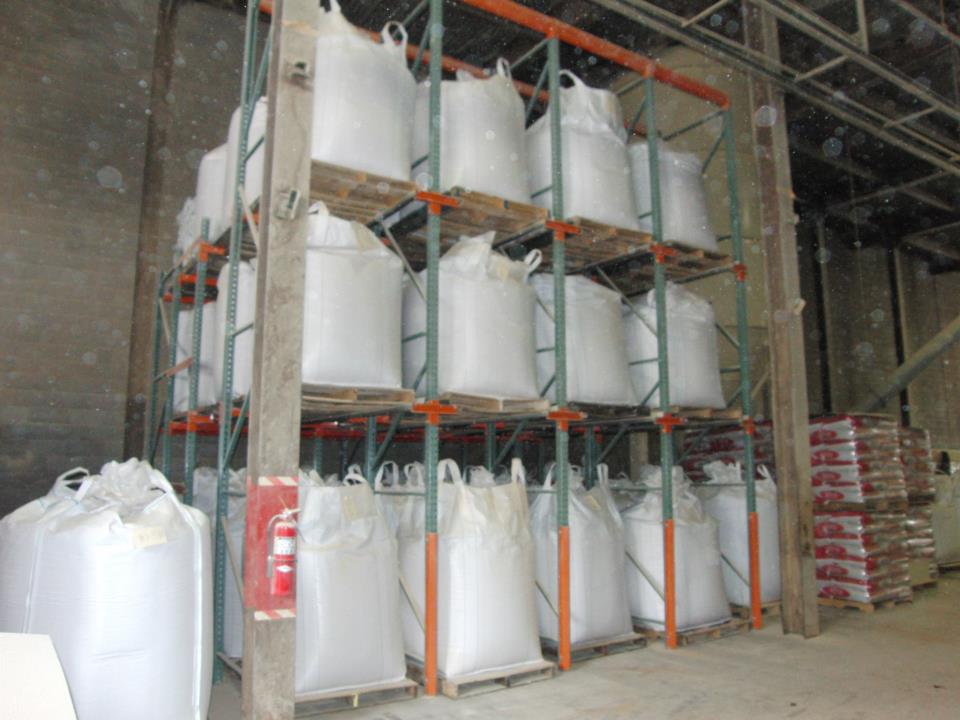
Drive-In Rack in Franklin, WI
Drive-in rack in Franklin, WI can serve food and industrial supply reserve when a few SKUs arrive in substantial batches. Around Franklin Business Park, Loomis Business Park and Elm Road, the design question is whether matching inventory remains deep enough to justify dedicating entire lanes rather than maintaining direct access to every pallet.
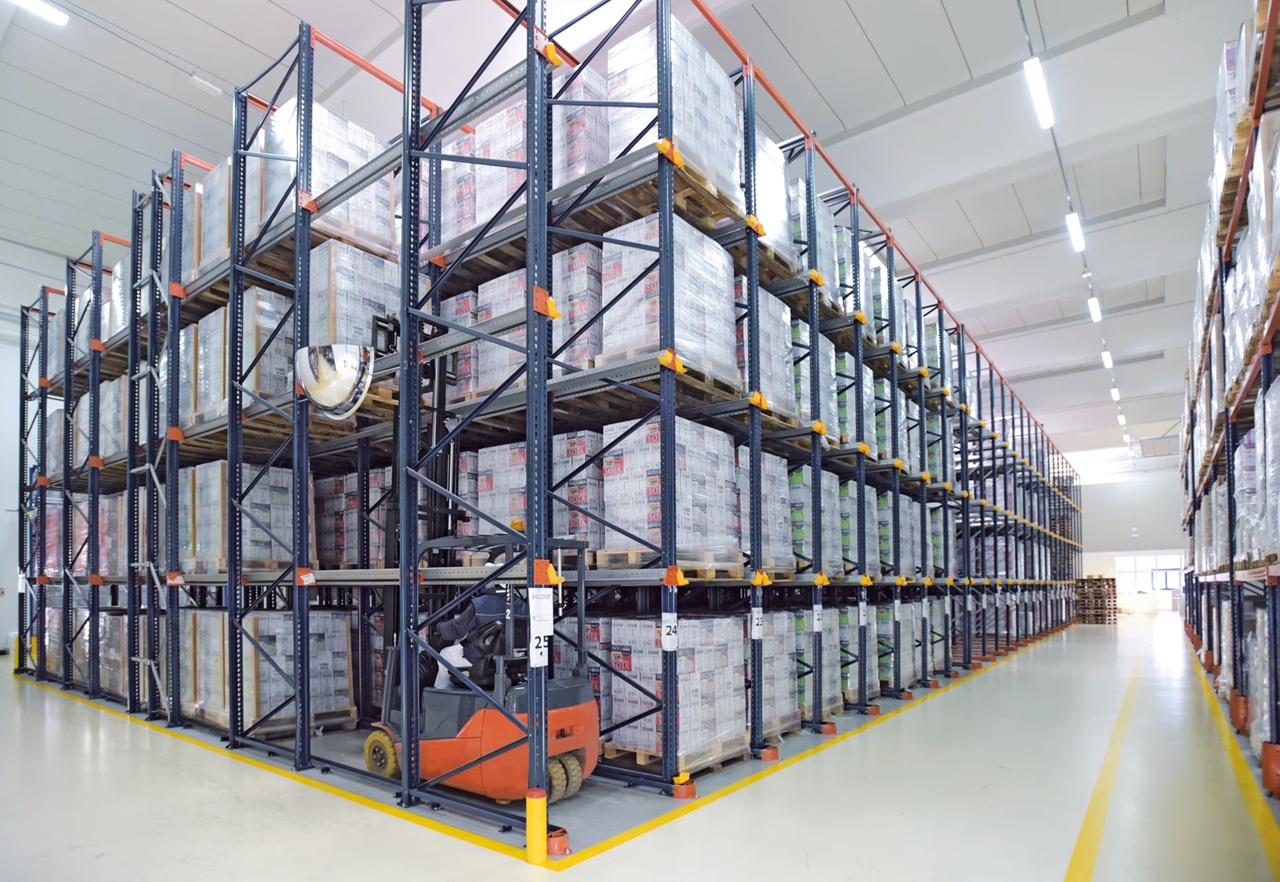
The handling method is specific: a forklift enters the storage lane on the floor and deposits pallets on stationary rails along its sides. Those rails support pallets, not the truck. Fewer internal aisles can increase storage concentration, but lane occupancy and retrieval order determine whether that concentration benefits the operation.
Organize Drive-Thru Racking for Controlled Rotation
Compare the lane arrangement with Franklin inventory and handling requirements before ordering material.
Map reserve quantities
Break inventory into SKU, batch and release groups. Compare minimum and peak quantities so lane depth follows recurring storage demand rather than a single unusually large receipt.
Confirm vertical reach
Measure loaded heights and identify the truck configuration intended for upper levels. Check available lift, mast movement and backrest clearance instead of converting clear building height directly into pallet positions.
Set lane and face rules
Choose single-entry or two-face operation around actual rotation needs. Draw the approach areas, identify lane assignments and retain separate access for products that cannot wait behind matching reserve.
Coordinate new installation
Define unloading areas and work boundaries around receiving activity. Complete the specified alignment with rack anchored to the floor, then review capacity information and pallet placement with the team managing reserve replenishment.
Franklin Drive-In Pallet Rack Based on Usable Inventory
As a division of Warehouse Equipment & Supplies Co., Milwaukee Pallet Rack has been supplying and installing storage systems since 1997. Our drive-in pallet rack planning connects inventory depth with the physical interface between pallet, supports and forklift, so the proposed position count reflects equipment your team can actually use.
In newer Franklin buildings with 32–40-foot clear heights, vertical space still needs a practical handling review. Food reserve may have refrigerated boundaries and dated lots; industrial supply may include a long tail of slow-moving products. We separate those access requirements before assigning tall, deep storage blocks to an entire department.
Franklin operating requirements
A single working face produces LIFO access, with front pallets removed before loads farther inside. Drive-thru racking can support FIFO through separate loading and retrieval faces, but only when operators follow a consistent directional sequence. Lot boundaries should remain visible in the inventory plan. If mixed industrial supply orders require repeated switching between items, pushback deserves comparison: the truck remains outside while pallets are handled from the aisle face.
Specify Drive-In Rack From Pallet to Installation
We establish rail capacity and support spacing from the heaviest planned pallet, its bearing surfaces and the intended storage elevations. Pallet bottom construction matters because the load must sit correctly on the specified rails. Guides are sized around the truck’s travel envelope, with their positioning role kept distinct from the load-bearing function of pallet supports.
Chassis width alone does not establish lane clearance. The mast, load backrest, forks and loaded pallet must clear the structure during entry, travel and placement at every level. For cooler or freezer storage, we also examine operating temperature, moisture exposure and the clearances associated with insulated boundaries and refrigeration equipment.
A drive-in rack scope covers new frames, pallet rails, supports, guides and the agreed protective components. Installation includes assembly and alignment, with rack anchored to the floor. The completed arrangement is reviewed against the layout, with storage elevations and load information communicated before pallets are introduced into the lanes.
Compare the storage choices for your operation: Franklin equipment services; Bulk system details for Franklin; Franklin pushback comparison; Franklin pallet flow planning.


Review Your Franklin Storage Plan
Bring your batch quantities, building dimensions and handling requirements for a storage comparison that explains both density and access. Ask for new material and installation scope together. Call (414) 260-3593.
Milwaukee Pallet Rack
7311 W Greenfield Ave.
Ste 316
Milwaukee, WI 53214
(414) 260-3593Monday - Friday: 8:00 AM - 6:00 PM
Franklin bulk storage decisions
Other Rack Types We Supply in Franklin
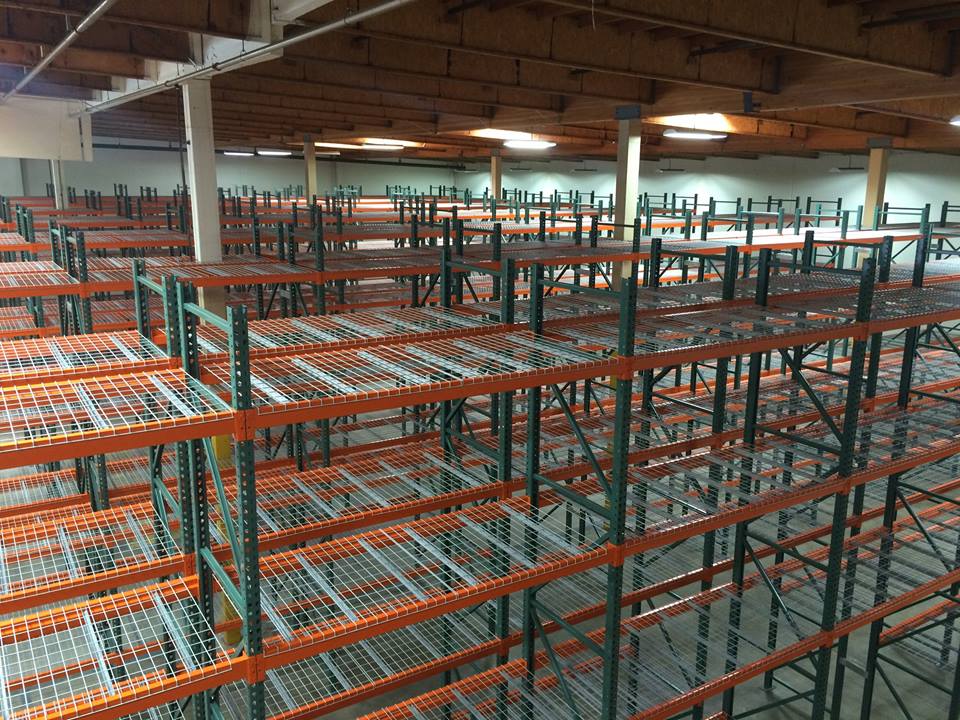
Pallet Rack
Every pallet reachable, every time. The baseline we size everything else against.
View details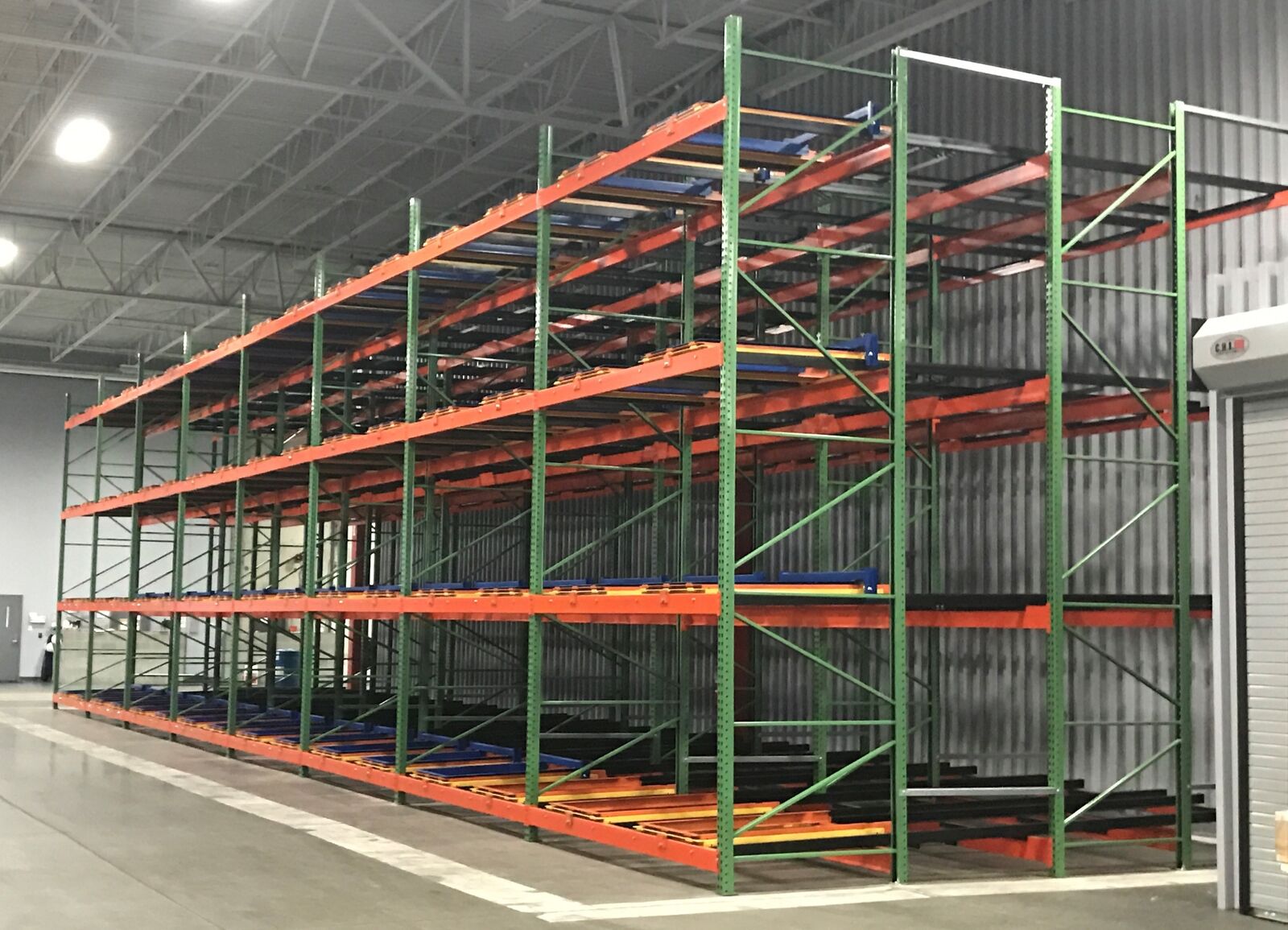
Pushback Rack
Two to six pallets deep from one aisle, without giving up much reach.
View details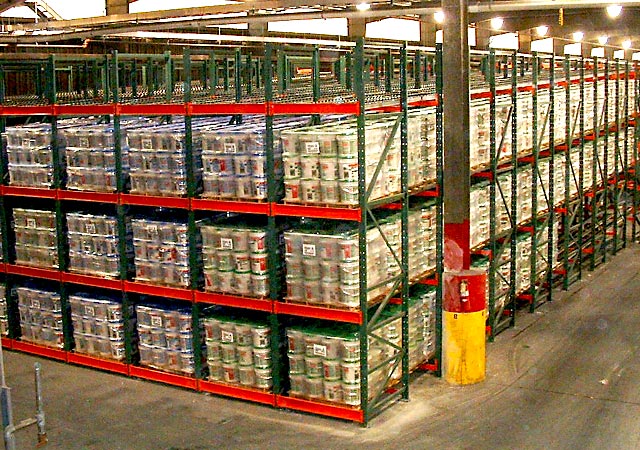
Pallet Flow Rack
Load one side, pick the other, and let gravity enforce first in, first out.
View details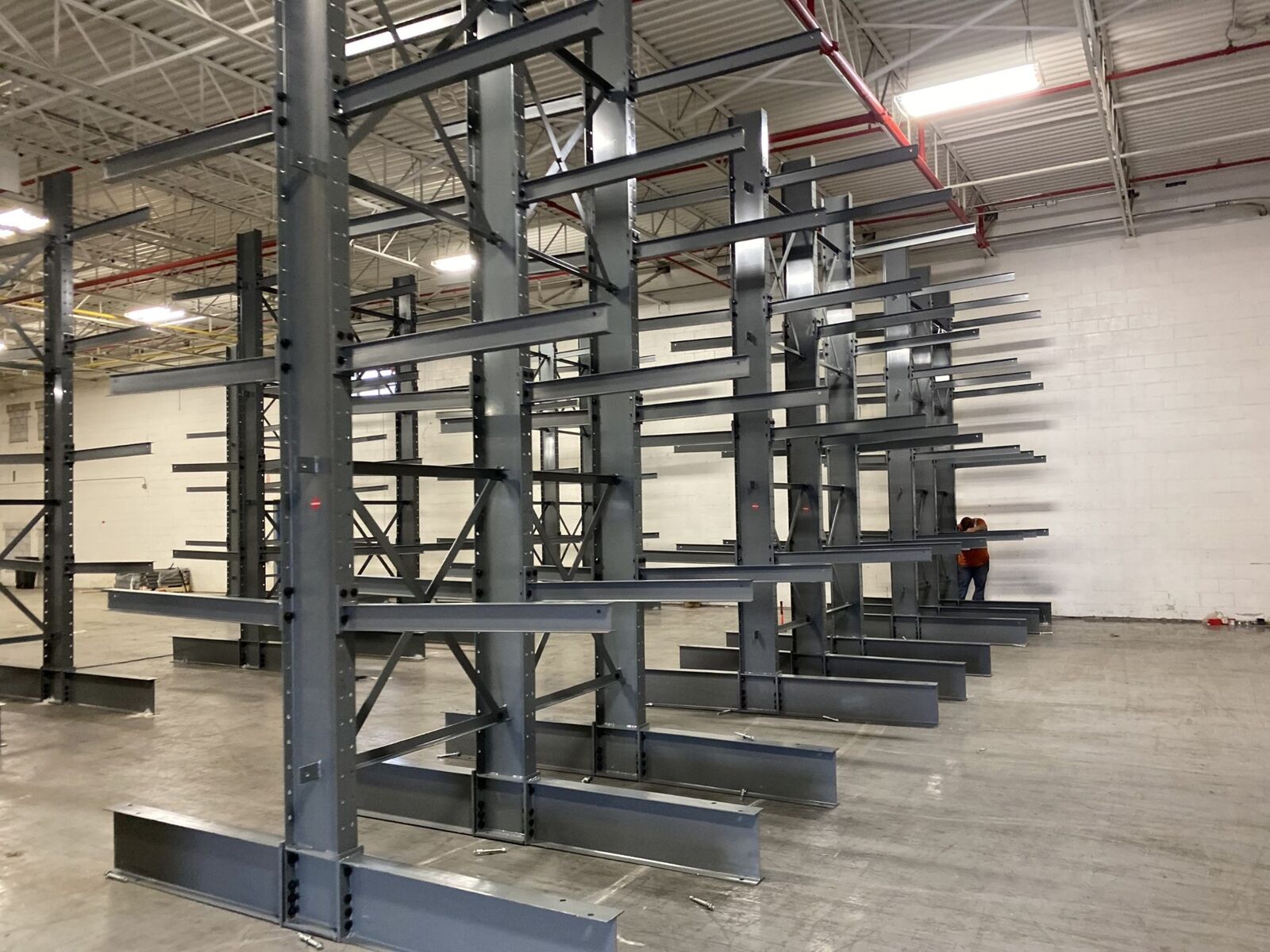
Cantilever Rack
Arms with nothing in front of them, built for lumber, pipe, and anything a pallet can't hold.
View details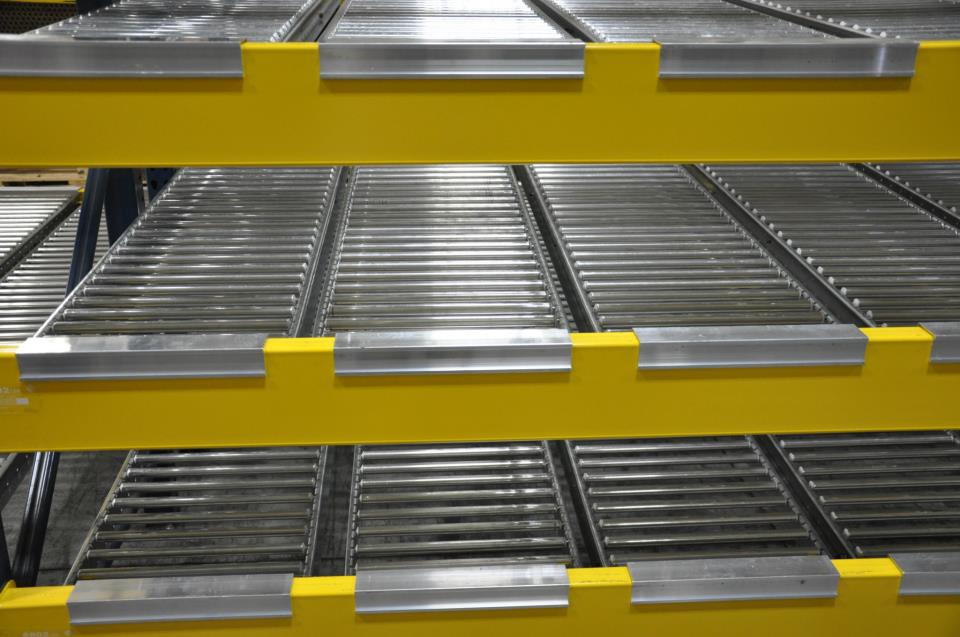
Carton Flow Rack
Cases advance to the picker instead of the picker hunting for cases.
View detailsNearby Areas We Also Serve
Our delivery and installation territory covers southeastern Wisconsin, with scope and scheduling agreed for each building.
Where We Work
Located in Milwaukee, we serve the entire Milwaukee metro with industrial pallet racks and warehouse storage solutions.
Milwaukee Pallet Rack
Address
7311 W Greenfield Ave.
Ste 316
Milwaukee, WI 53214
Phone
(414) 260-3593Business Hours
Monday - Friday: 8:00 AM - 6:00 PM
Saturday: Closed
Sunday: Closed
Need Drive-In Rack in Franklin?
Call (414) 260-3593 or request a quote and we will get a layout started.